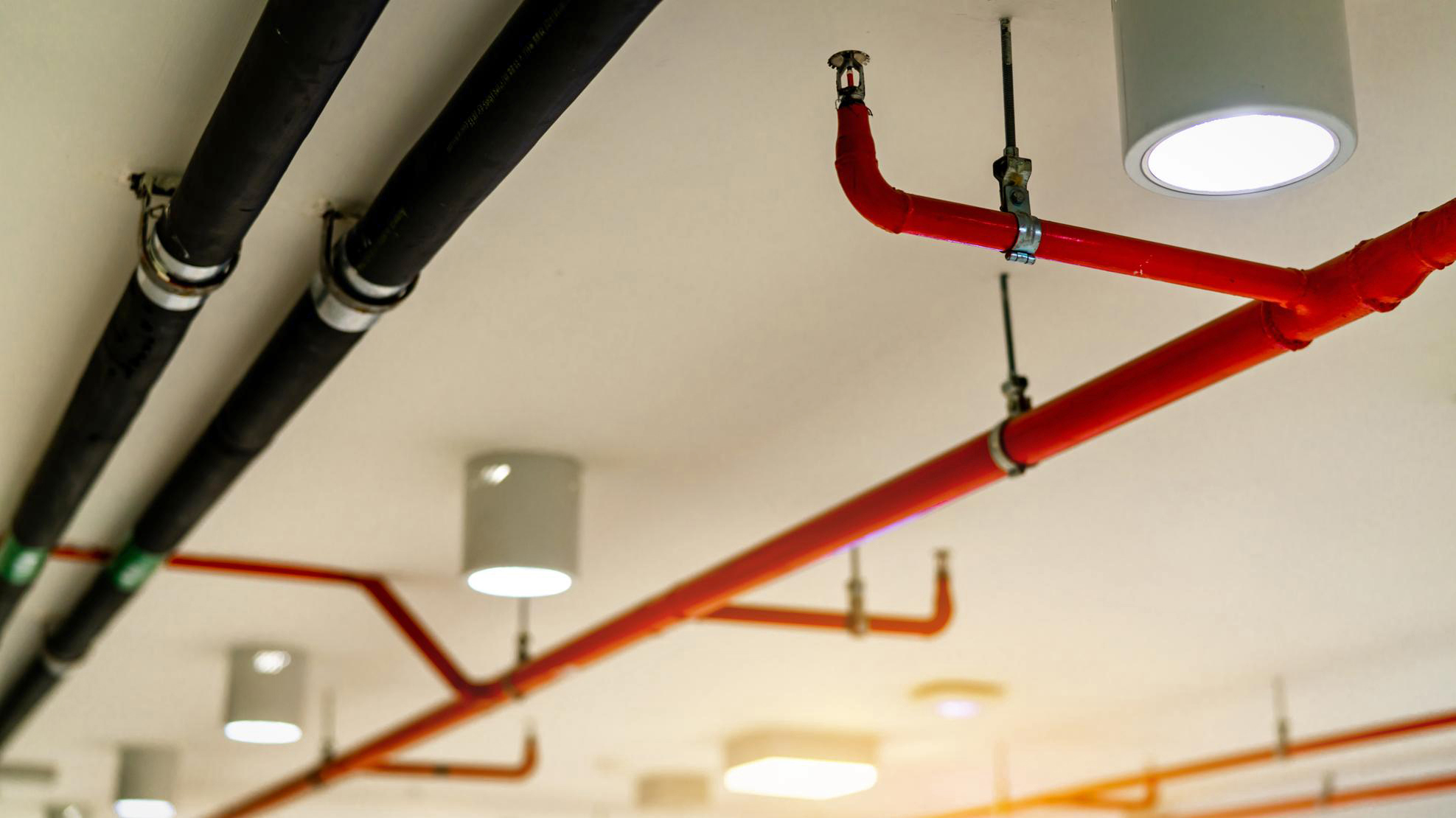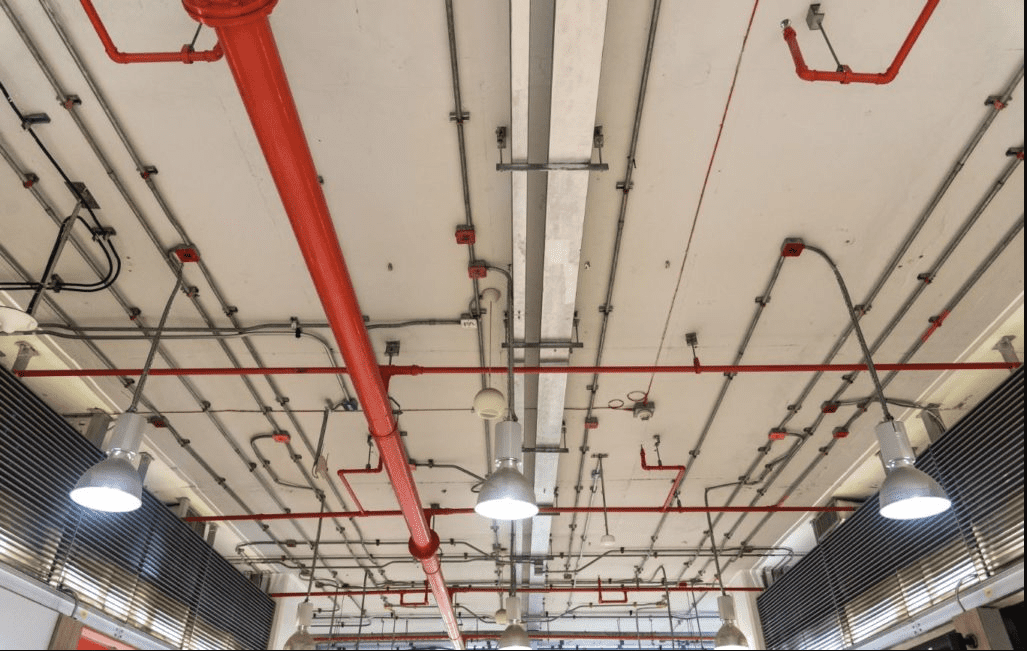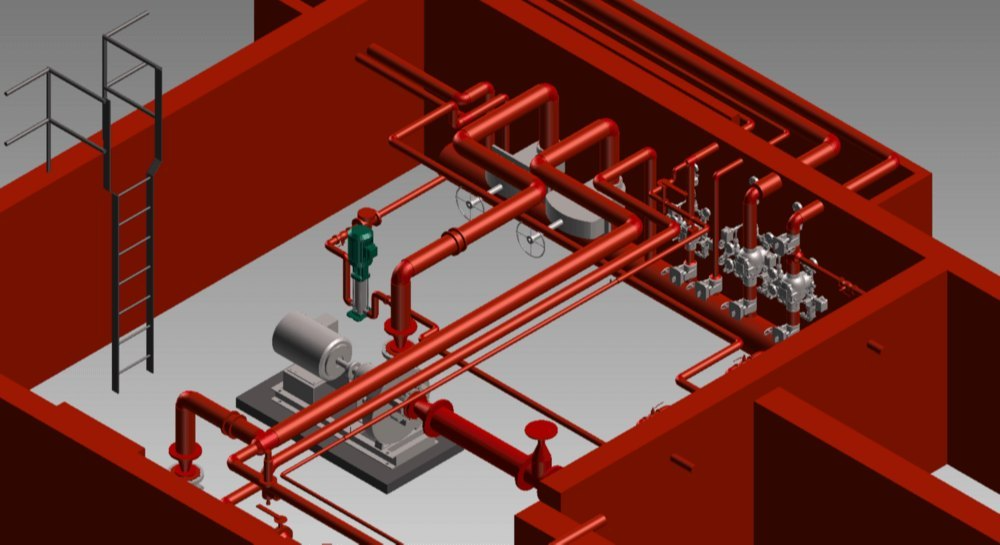
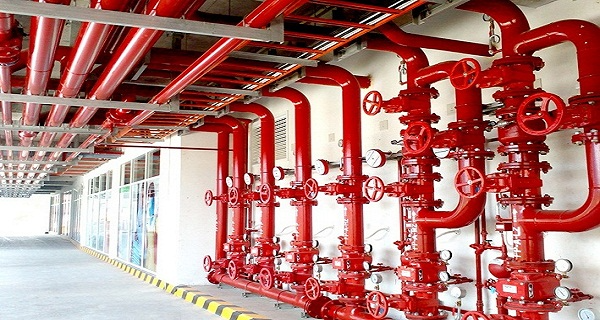
These systems must be strategically placed and designed to meet local fire codes and regulations, ensuring that they are effective in preventing the spread of fire and providing early warning to occupants. A key aspect of fire protection is compartmentalization, which involves dividing a building into sections that can contain a fire, preventing it from spreading rapidly. Architects and fire engineers work together to design fire-resistant walls, floors, and doors that can withstand fire for a certain period, allowing occupants time to evacuate and fire services time to respond. Additionally, fire escape routes and exits must be carefully planned to ensure that occupants can quickly and safely evacuate the building. This requires thoughtful consideration of stairwells, corridors, and doorways, ensuring that they are wide enough and free from obstructions.
Smoke control is another critical element of firefighting design. In large or complex buildings, such as shopping malls or high-rise structures, smoke can pose a significant threat, even more so than flames. Smoke inhalation is one of the leading causes of fatalities in fires, which is why smoke control systems, such as ventilation and pressurization systems, are installed to manage and direct smoke away from escape routes. Architects and fire engineers must work together to design these systems in a way that complements the building's layout and does not interfere with its functionality or aesthetics.