Reinforced Rebar Re-Design

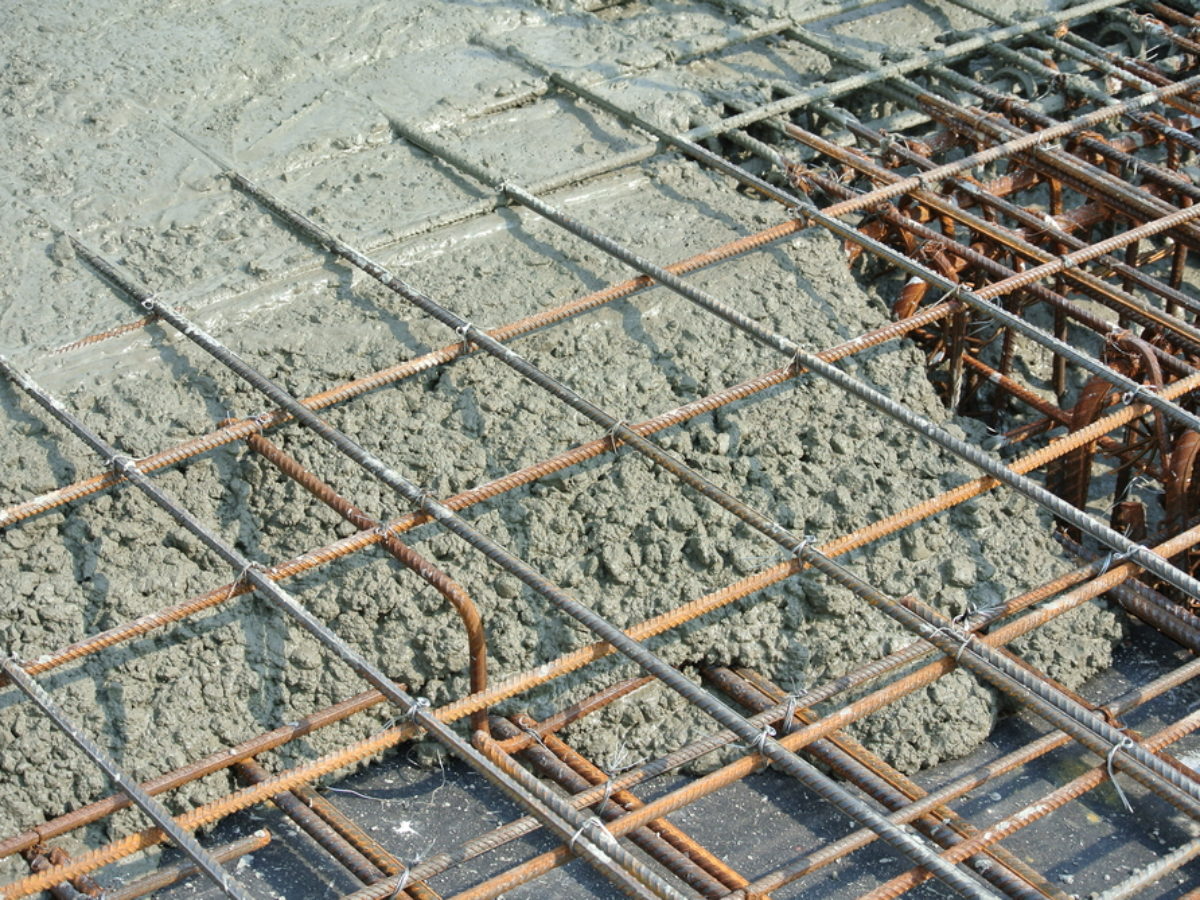
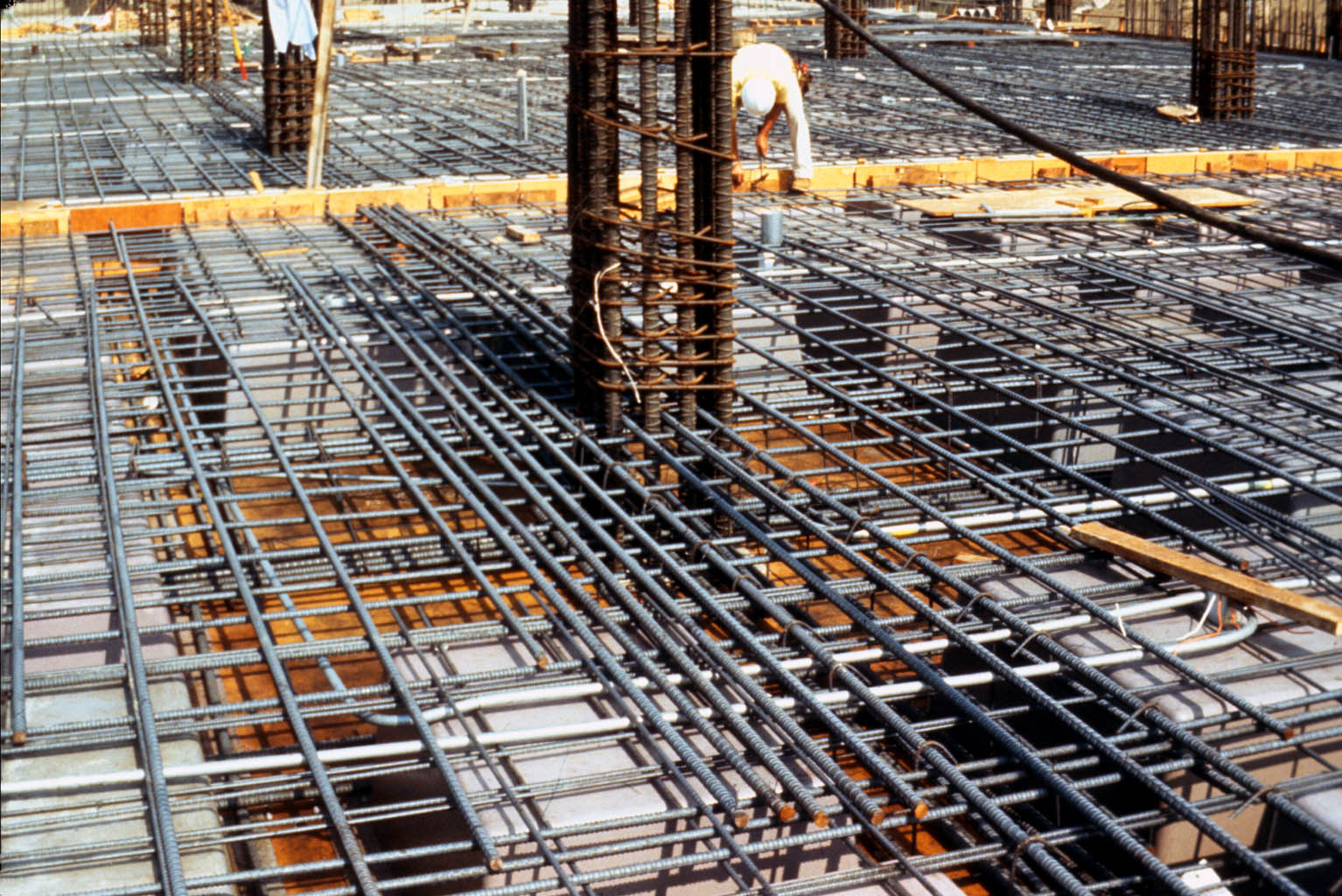
Reinforced rebar redesign is a specialized field within structural engineering that focuses on optimizing the use of steel reinforcement bars (rebar) in concrete structures. Rebar is essential in modern construction, providing the tensile strength that concrete alone lacks. Concrete is strong in compression but weak in tension, and rebar serves to reinforce it, allowing buildings, bridges, and other structures to handle a variety of loads without cracking or failing. The process of rebar redesign involves re-evaluating and modifying the original reinforcement plan to enhance the structural performance, improve durability, or address issues that may have arisen during construction. One of the primary reasons for rebar redesign is to accommodate changes in project requirements or unexpected site conditions. During the construction process, engineers might encounter unforeseen variables, such as variations in the quality of materials, unexpected ground conditions, or adjustments in load-bearing capacities.

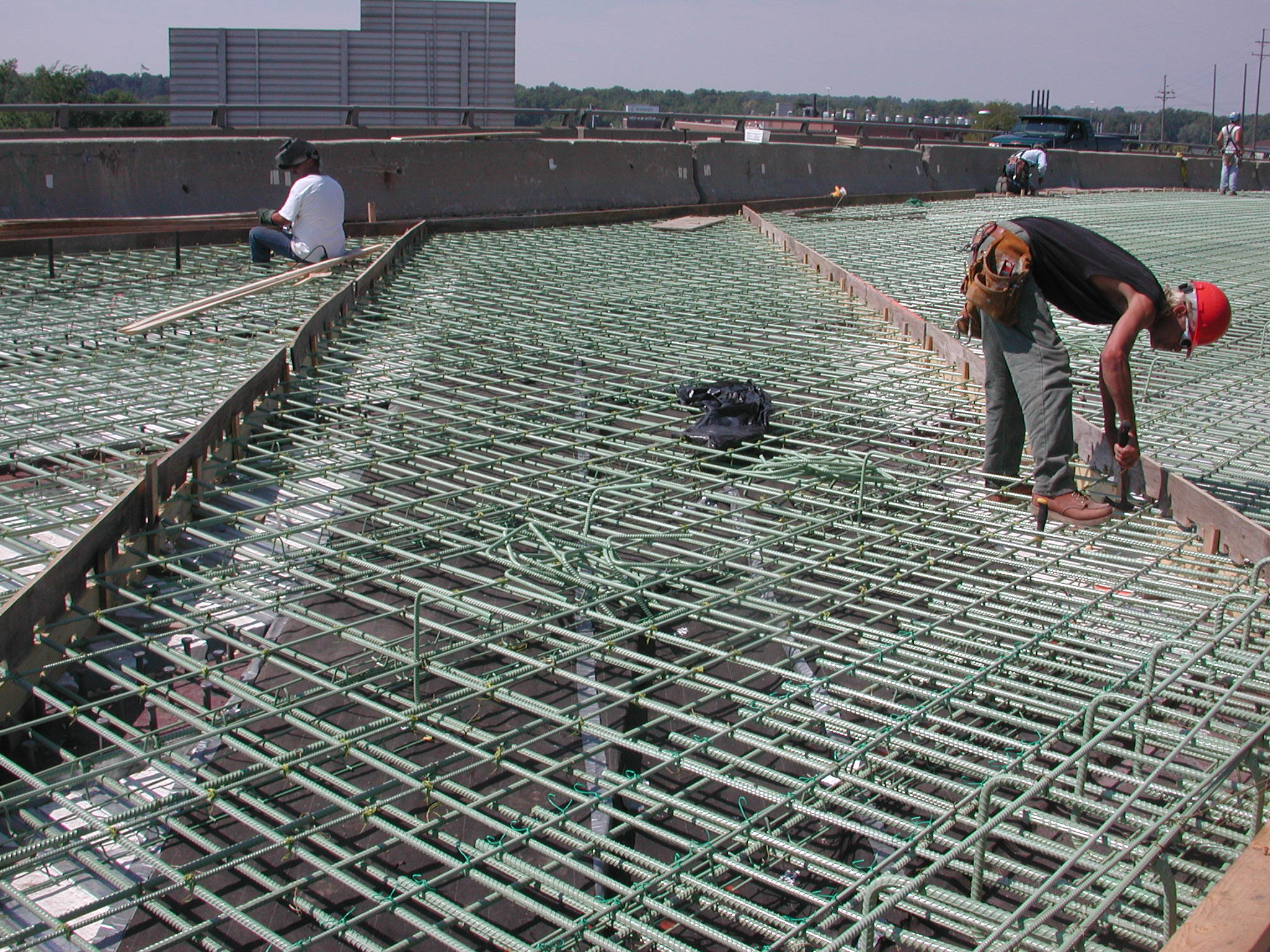
In such cases, the existing rebar layout may need to be redesigned to ensure the structure's safety and stability. This requires engineers to carefully assess the original design, analyze the new conditions, and determine the optimal placement and quantity of rebar to maintain the integrity of the structure. Another critical aspect of rebar redesign is addressing issues related to corrosion. Rebar is typically made from steel, which is susceptible to corrosion when exposed to water and air, especially in coastal or humid environments. Over time, corrosion can weaken the rebar and compromise the structure's stability. In cases where existing structures show signs of rebar corrosion, engineers may need to redesign the reinforcement to prevent further deterioration. This could involve selecting alternative materials, such as epoxy-coated or stainless steel rebar, which offer better resistance to corrosion. Additionally, rebar redesign might incorporate improved concrete mix designs or protective coatings to enhance the structure's overall durability.

Advances in technology also play a role in rebar redesign. Modern software tools allow engineers to perform detailed structural analyses and optimize the placement of rebar more efficiently than ever before. Using 3D modeling and finite element analysis, engineers can simulate how a structure will behave under different loads and conditions, allowing them to identify potential weak points and adjust the rebar design accordingly. This not only improves the safety and performance of the structure but also reduces material waste by ensuring that rebar is used where it is most needed. The result is a more efficient and cost-effective design that meets the specific demands of the project.

Sustainability is another factor driving the redesign of rebar in modern construction. As the industry moves toward more sustainable practices, engineers are exploring ways to reduce the environmental impact of reinforced concrete structures. This includes rethinking how rebar is used to minimize the amount of steel required without compromising the structure's strength. Innovative techniques such as high-strength rebar, which allows for smaller diameters and less material use, are becoming more common. Additionally, recycled steel is increasingly being incorporated into rebar production, further reducing the environmental footprint of construction projects.
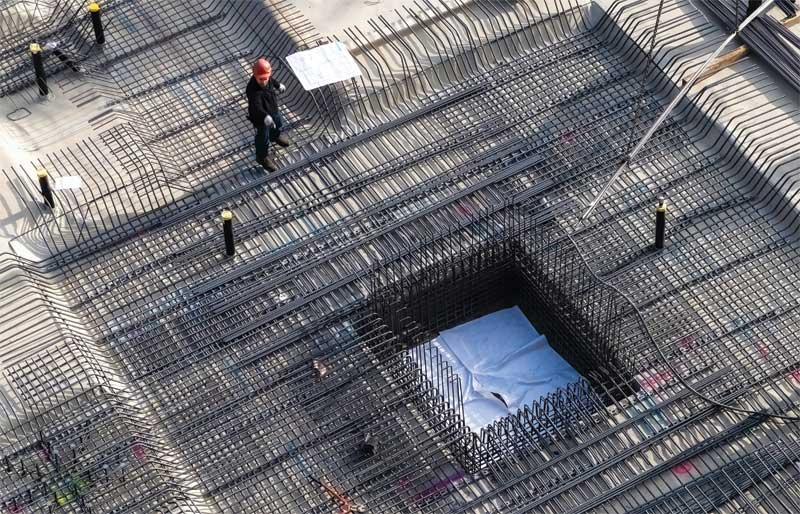
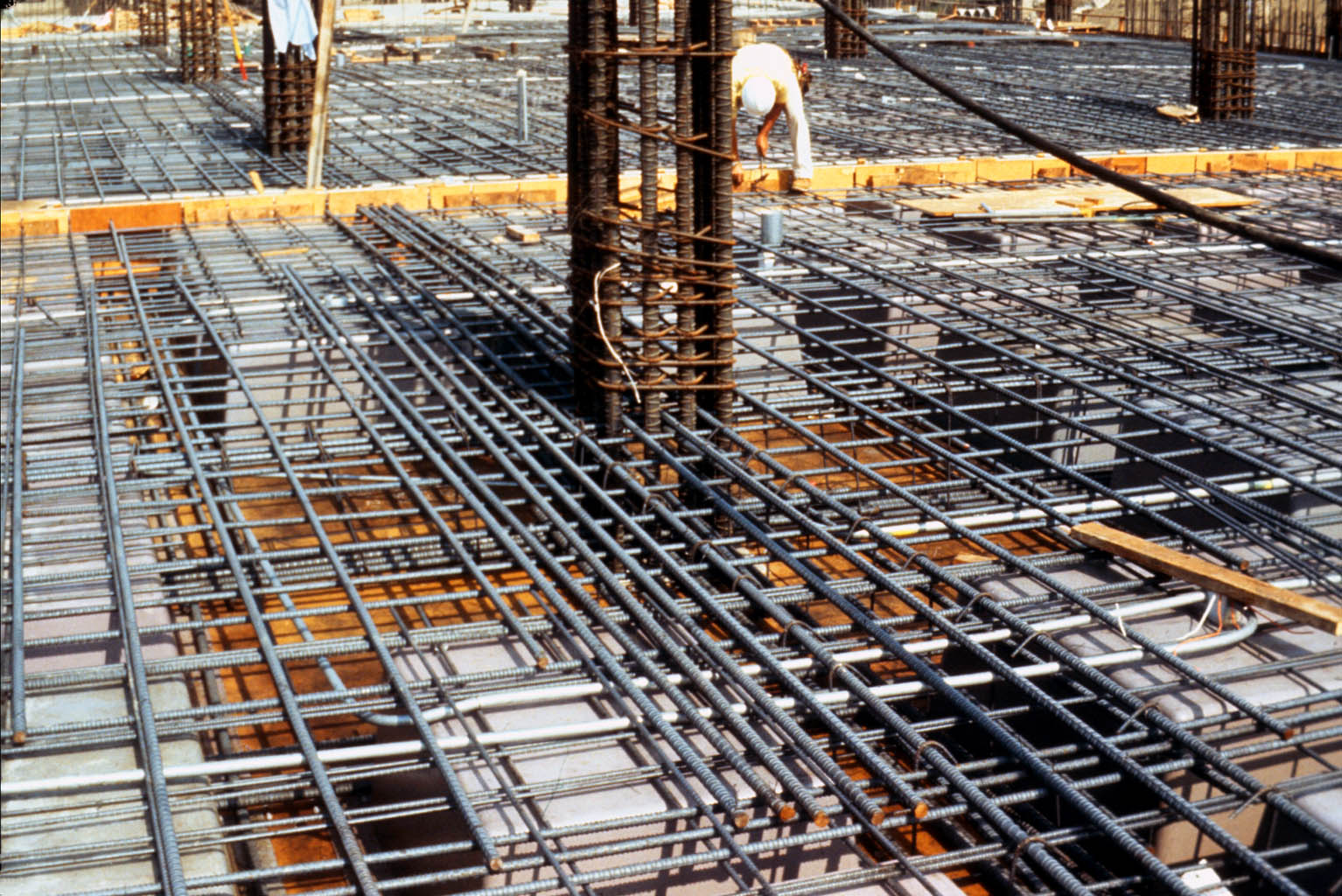
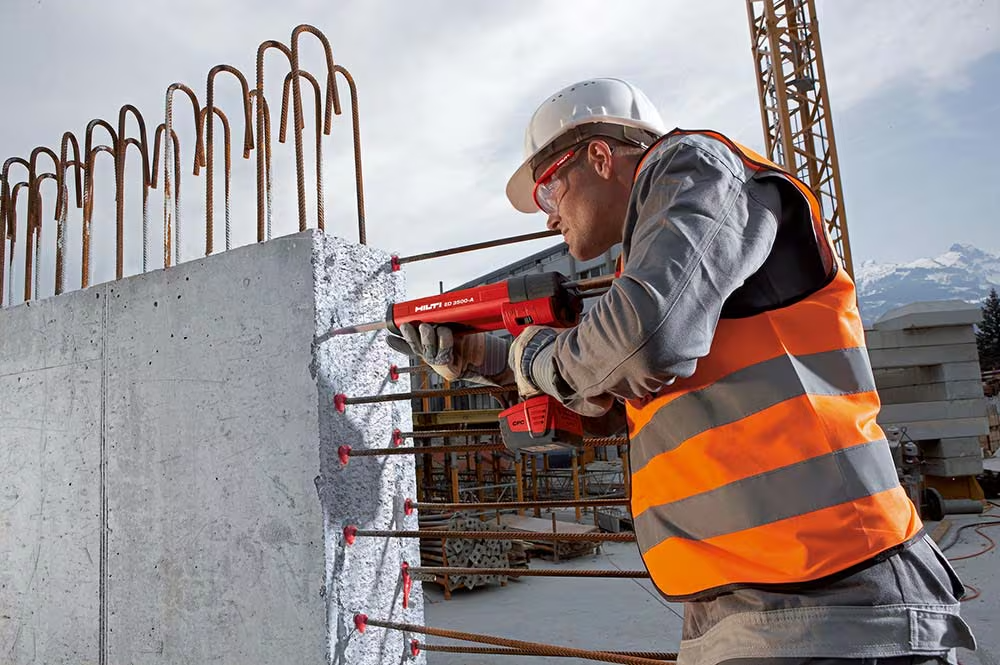
Rebar redesign can also be necessary for retrofitting or upgrading existing structures to meet new building codes or standards. As safety regulations evolve, older structures may no longer meet current seismic, wind, or load-bearing requirements. In these cases, engineers must redesign the reinforcement to ensure that the structure can withstand modern demands. This often involves adding additional rebar in critical areas, such as around columns, beams, or foundations, to increase the structure’s strength and resilience. The goal is to bring the building up to current standards without the need for a complete rebuild, saving time and resources while improving safety. In conclusion, reinforced rebar redesign is a complex and critical aspect of structural engineering. Whether driven by changes in project requirements, the need to address corrosion, advances in technology, sustainability goals, or updated building codes, rebar redesign ensures that structures remain safe, durable, and efficient. Through careful analysis and innovative design approaches, engineers are able to optimize the use of rebar, enhancing both the performance and sustainability of concrete structures.

background

How We Work!!

Building your thoughts into reality

Evaluation And Signing Of The Contract.

Step 01

Preparation Of The Work Plan.

Step 02

Implementation Of Quality Works

Step 03

Delivering The Project To The Customer

Step 04