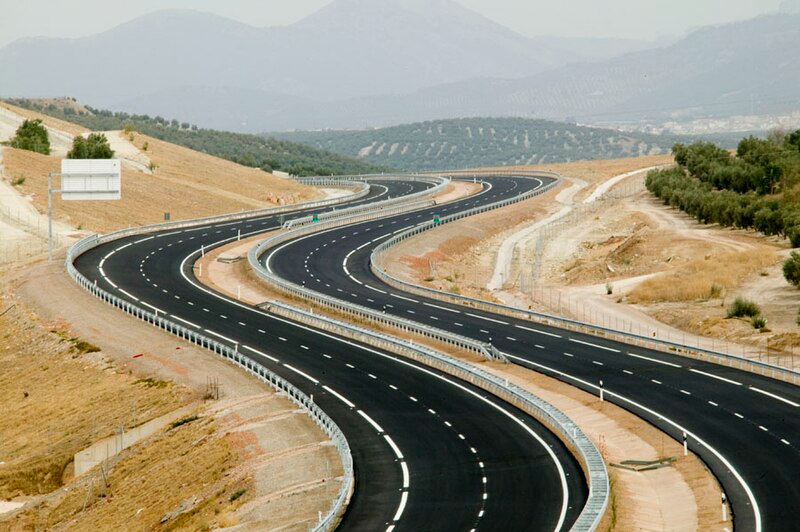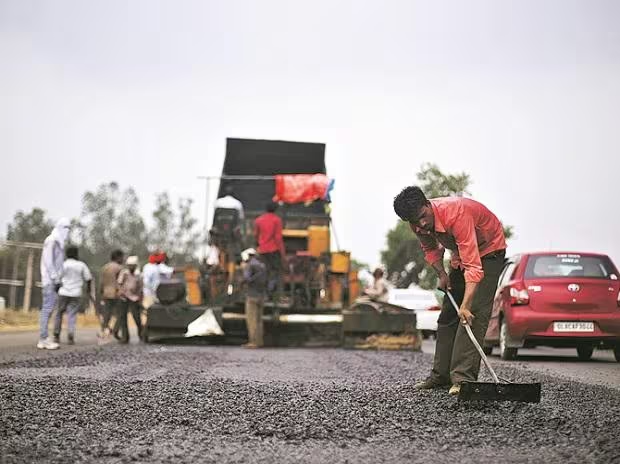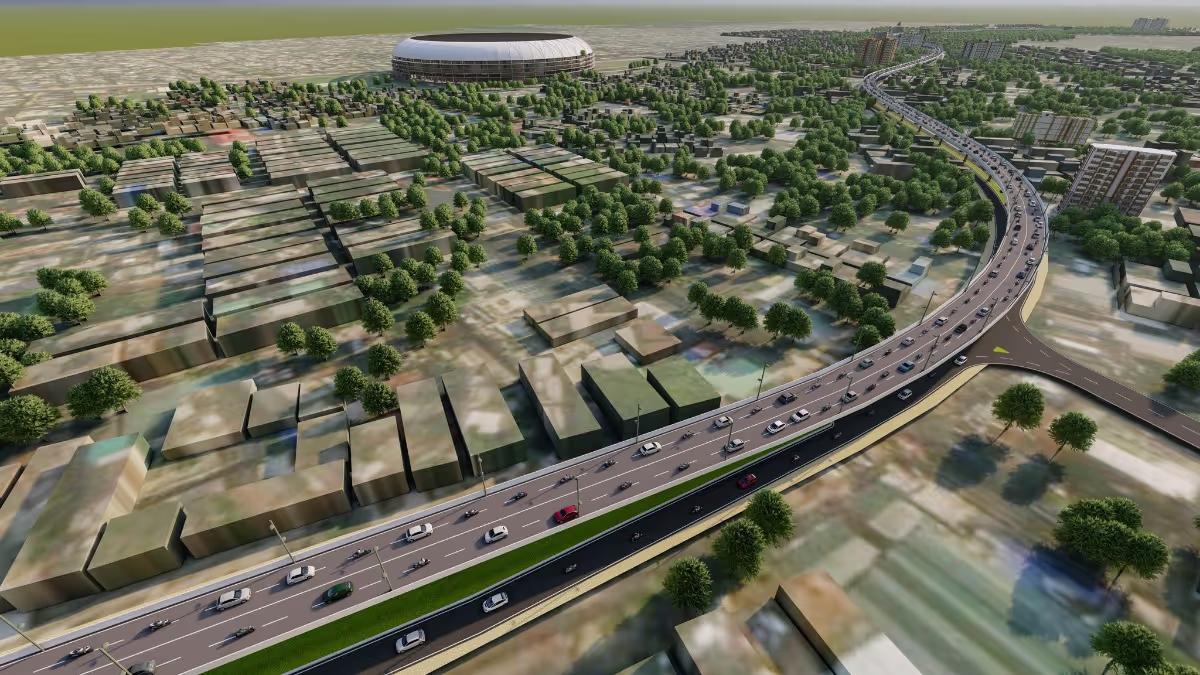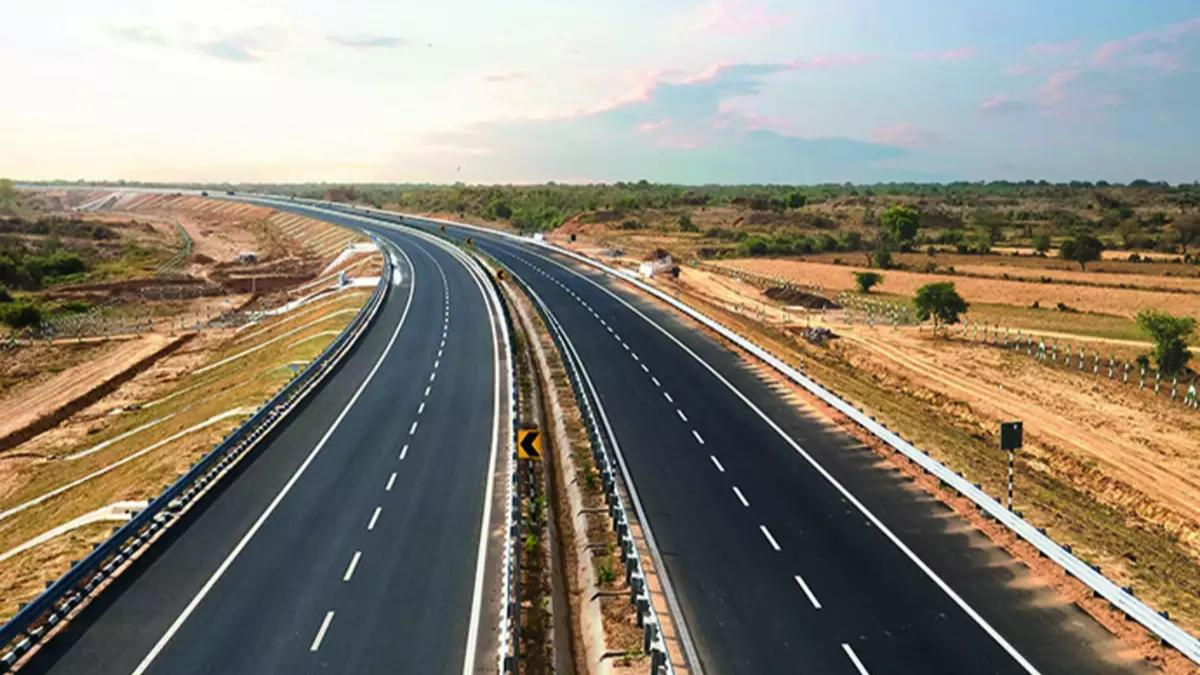
Materials used in road construction are another critical consideration. Asphalt and concrete are the most commonly used materials, each with its own advantages depending on the project's specific needs. Engineers must choose materials that are cost-effective, durable, and able to withstand the stresses imposed by traffic and environmental factors like heat, rain, and frost. The design of the pavement structure is also vital, as it must be capable of supporting the weight of heavy vehicles without deteriorating prematurely. Proper drainage systems are essential to prevent water accumulation on road surfaces, which can cause damage and lead to hazardous driving conditions.
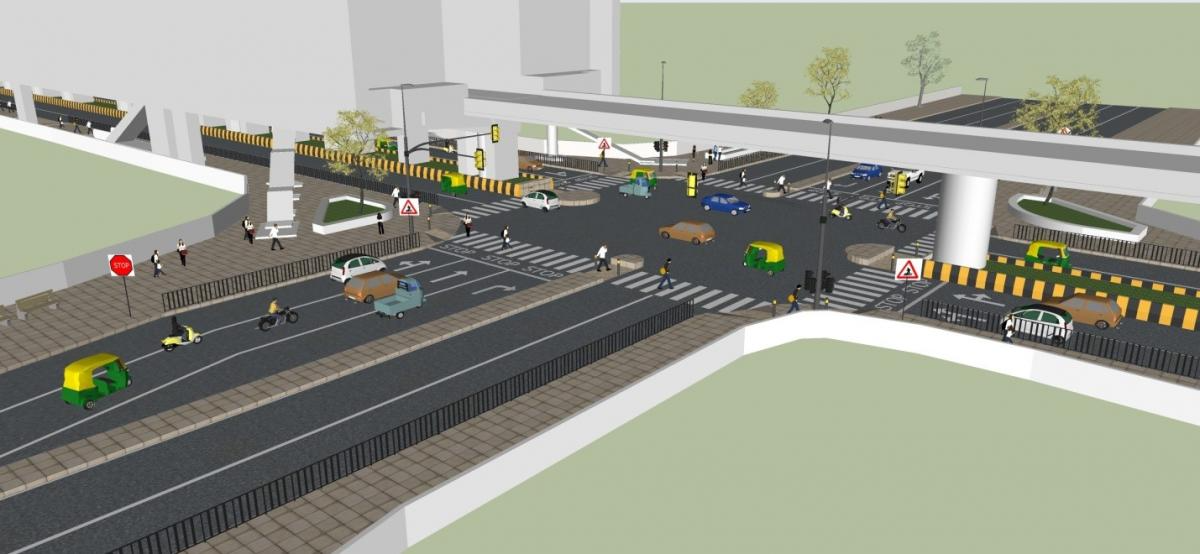
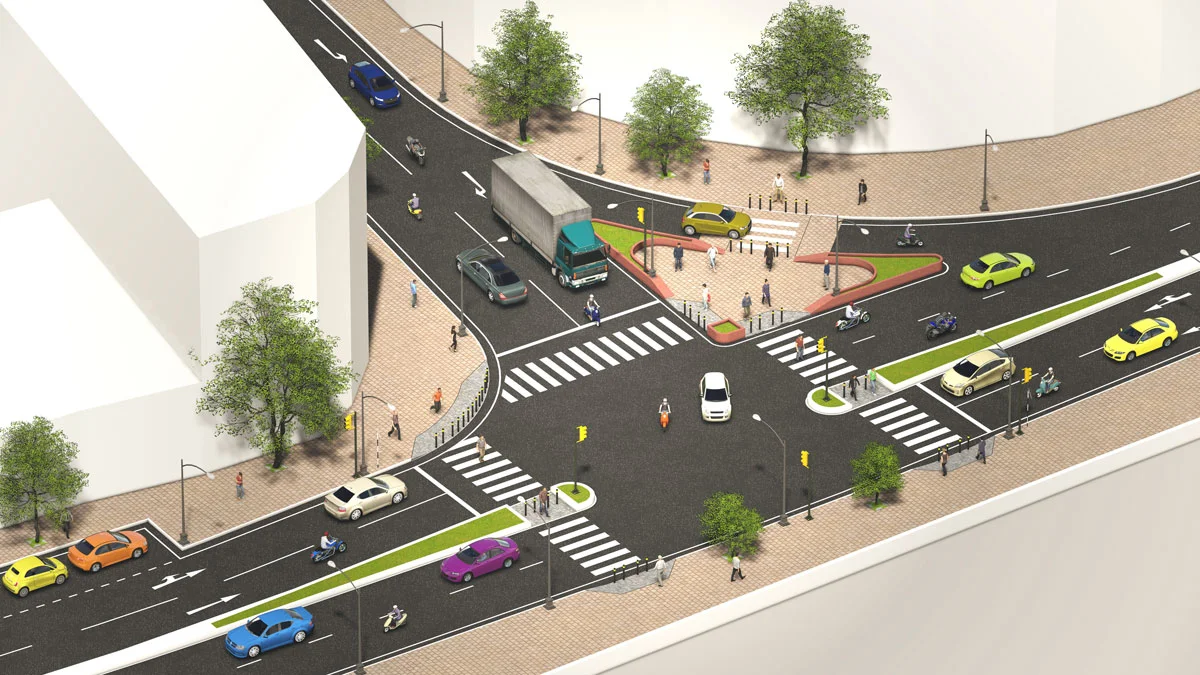
In addition to the physical aspects of road design, transportation engineers must also consider traffic management systems. Traffic control devices, such as signals, signs, and road markings, play a crucial role in regulating the movement of vehicles and pedestrians. Engineers use intelligent transportation systems (ITS) to improve traffic flow and enhance safety. ITS technologies include real-time traffic monitoring, adaptive traffic signals, and automated toll collection systems, all of which help reduce congestion and improve the overall efficiency of transportation networks. These systems are especially important in urban areas, where high traffic volumes can lead to significant delays and accidents if not managed properly.