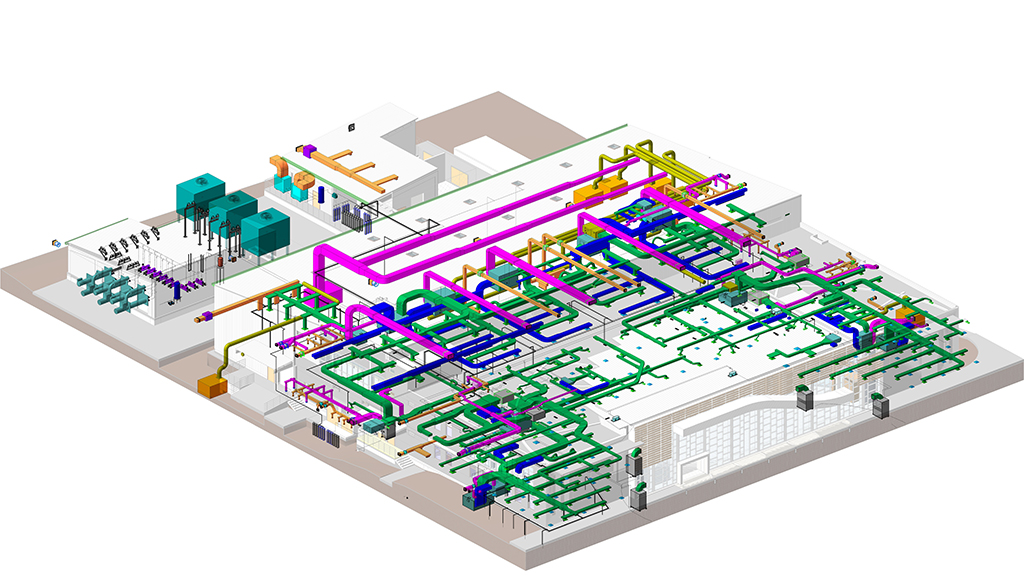

Electrical engineering design, on the other hand, involves planning and installing systems that supply power to a building’s electrical devices, lighting, and mechanical systems like HVAC. Engineers must design electrical systems to meet the building’s energy requirements while ensuring safety, reliability, and efficiency. This includes determining the electrical load, selecting appropriate wiring, and placing outlets, switches, and circuit breakers throughout the building. A well-designed electrical system must account for both current and future power needs, allowing for flexibility and growth as technology and energy demands evolve.
Lighting design is a crucial component of electrical engineering, as it significantly impacts both energy consumption and occupant comfort. Engineers must balance natural and artificial lighting to create well-lit environments that enhance productivity and safety while minimizing energy use. LED lighting, for example, has become a popular choice for its energy efficiency and long lifespan. Additionally, smart lighting systems that adjust based on occupancy or daylight availability are increasingly being used to reduce energy consumption and improve user experience.