Plumbing Engineering Design

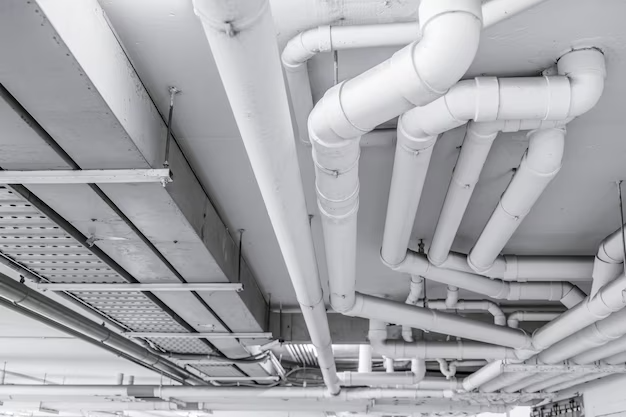
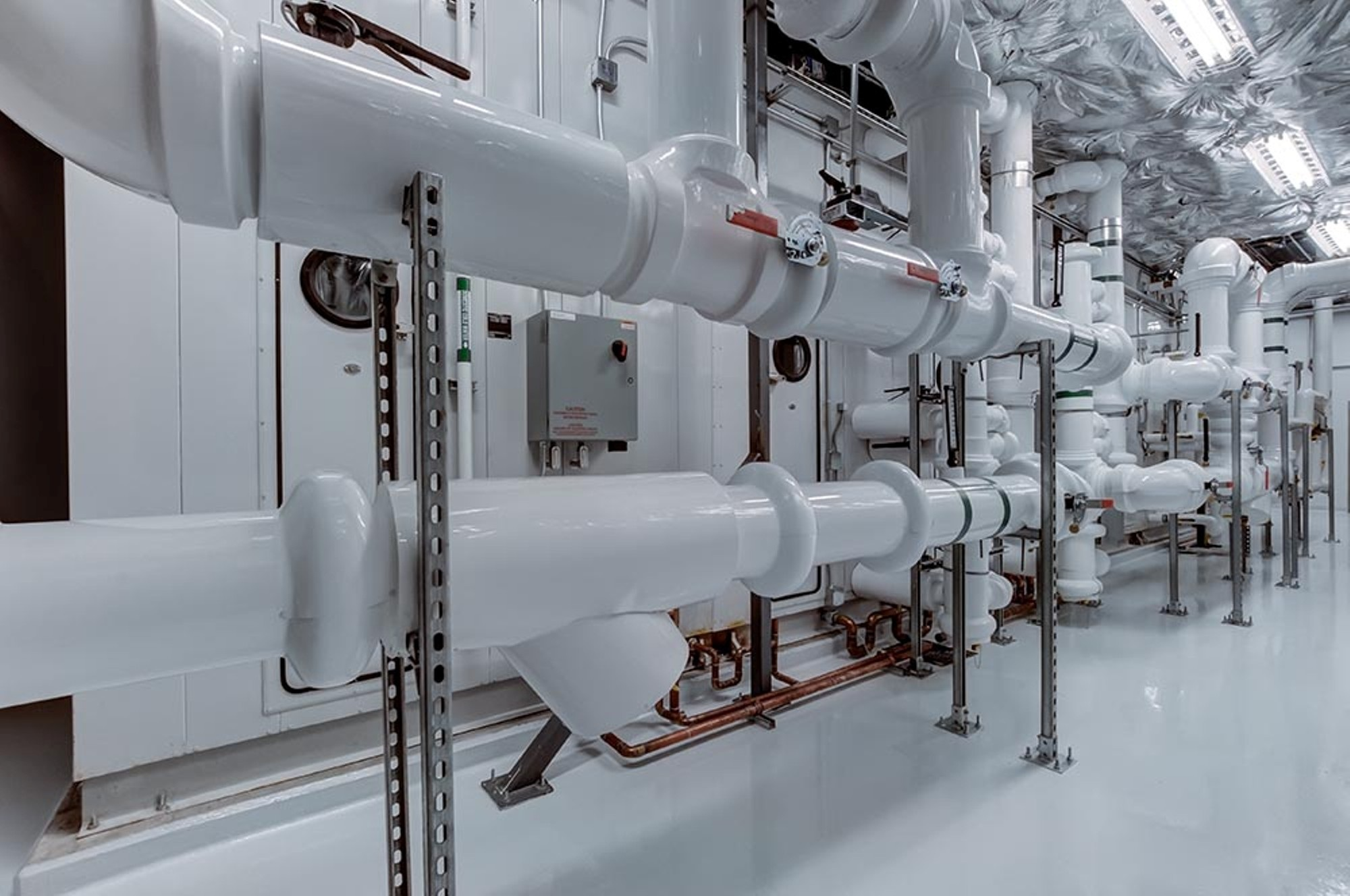
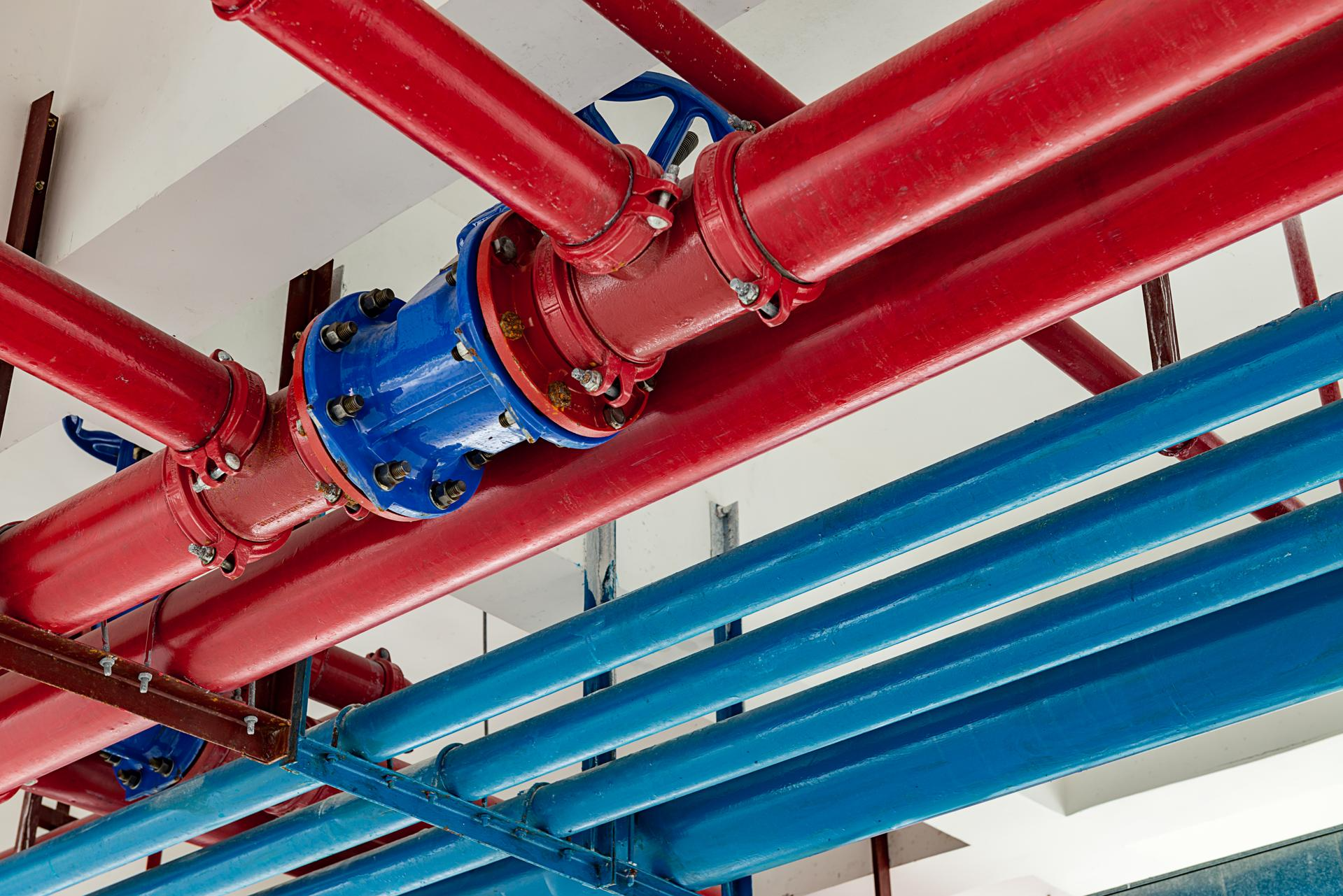
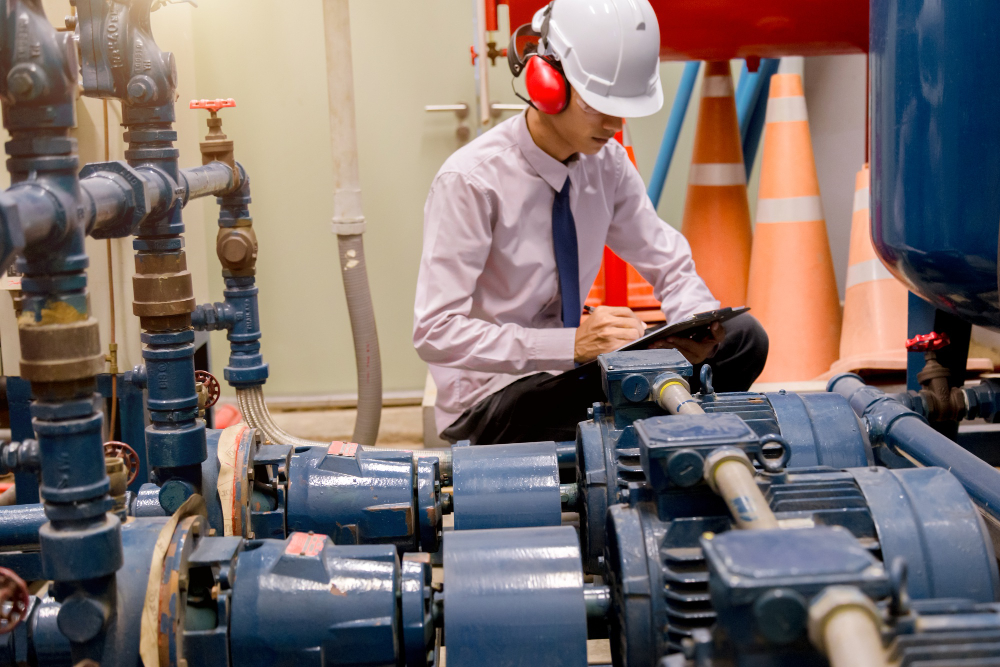
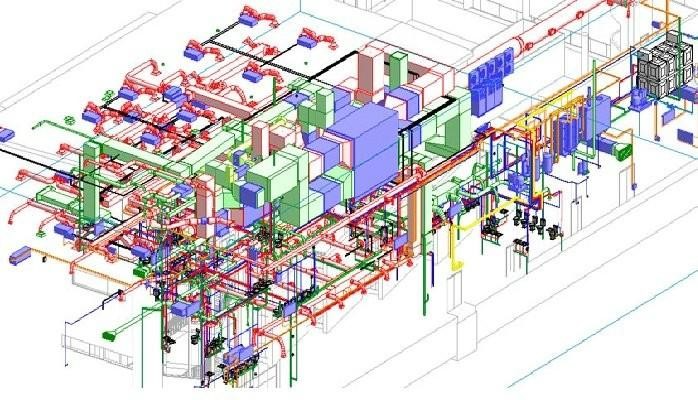
Plumbing engineering design is a crucial component of building systems, responsible for ensuring the efficient distribution of water, safe removal of waste, and the proper functioning of drainage, heating, and cooling systems. This field plays a significant role in both residential and commercial construction, encompassing everything from water supply lines to sewage systems, stormwater drainage, and gas piping. The objective of plumbing design is to create systems that are reliable, efficient, cost-effective, and compliant with local building codes and regulations. At the core of plumbing design is the need to deliver clean, potable water to all areas of a building while ensuring that wastewater is safely removed. The design process starts with understanding the building's needs, which include the number of occupants, water demand, types of appliances, and any special requirements, such as fire suppression systems.

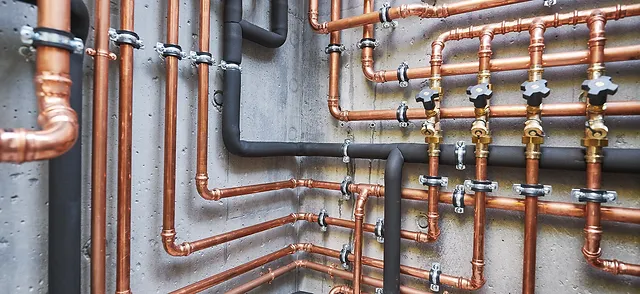
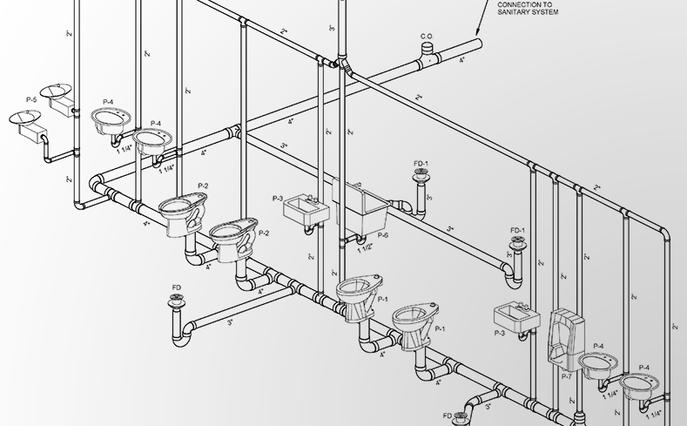
Engineers calculate the water supply load, which involves determining the flow rate required for various fixtures like sinks, showers, toilets, and irrigation systems. They must ensure that the water pressure is sufficient to meet the needs of the building without causing excessive strain on the pipes or fixtures. One of the fundamental aspects of plumbing design is the selection of appropriate materials for pipes, fittings, and valves. Common materials used in plumbing systems include copper, PVC, CPVC, PEX, and steel, each chosen based on the specific application and local environmental conditions. For example, in areas with corrosive water, copper pipes might be avoided in favor of PVC or CPVC. The selection of materials must take into account factors like durability, cost, and ease of installation, as well as the need for maintenance over the building’s lifespan. Plumbing engineers also design drainage and vent systems to ensure that wastewater is properly removed from the building. A well-designed drainage system uses gravity to move waste through a series of pipes to either the municipal sewage system or a septic tank.

The venting system, which is equally important, prevents the buildup of gases in the plumbing system by allowing air to enter and exit, ensuring that water flows freely without creating pressure imbalances. Engineers must consider the layout of the building, slope of the drainage lines, and placement of fixtures to prevent blockages and ensure efficient wastewater removal. Another important aspect of plumbing engineering is the design of hot water systems. These systems must provide a consistent supply of hot water for various uses, such as bathing, cleaning, and heating. Engineers calculate the demand for hot water and determine the best method of heating and distributing it. This could involve traditional water heaters, tankless systems, or even solar-powered water heaters, depending on the building’s energy efficiency goals and available space. The piping layout for hot water systems must minimize heat loss, so insulated pipes are often used to maintain the temperature of the water as it travels through the system.

In addition to water supply and drainage, plumbing engineering also encompasses gas piping systems. These systems deliver natural gas or propane to appliances like stoves, water heaters, and HVAC systems. The design of gas piping systems requires careful consideration of safety, including the selection of appropriate materials, pressure regulation, and leak detection measures. Engineers must ensure that gas pipes are properly sized, routed, and ventilated to prevent leaks and ensure the safe delivery of gas to various appliances.Stormwater management is another critical component of plumbing design, especially in areas prone to heavy rainfall or flooding. Engineers design systems to collect and direct stormwater away from buildings and other structures to prevent water damage and erosion. This can include the use of gutters, downspouts, and underground drainage systems that lead to stormwater retention basins or municipal storm drains. Effective stormwater management reduces the risk of flooding and protects the integrity of the building's foundation.
Plumbing design must also consider sustainability and energy efficiency. Modern plumbing systems are often designed to reduce water consumption, through the use of low-flow fixtures, greywater recycling systems, and rainwater harvesting. Engineers also work to minimize energy consumption by optimizing hot water distribution and integrating renewable energy sources like solar panels for water heating. In conclusion, plumbing engineering design is a multifaceted discipline that involves the careful planning of water supply, drainage, gas piping, and stormwater management systems. It requires a thorough understanding of fluid dynamics, material science, and local building codes to create systems that are both functional and sustainable. As buildings become more complex and energy-efficient, the role of plumbing engineers continues to grow in importance, ensuring that essential water and waste systems operate efficiently and reliably.

background

How We Work!!

Building your thoughts into reality

Evaluation And Signing Of The Contract.

Step 01

Preparation Of The Work Plan.

Step 02

Implementation Of Quality Works

Step 03

Delivering The Project To The Customer

Step 04