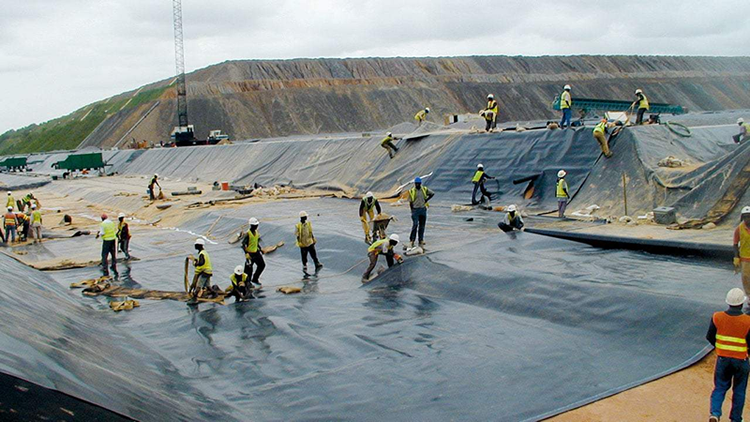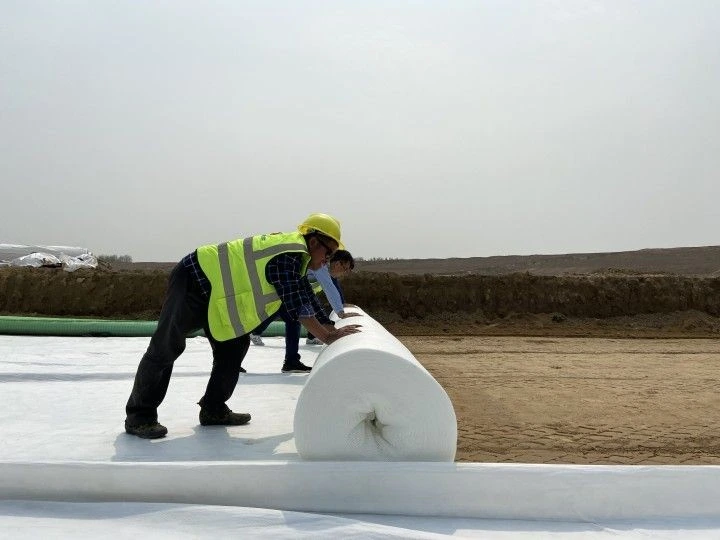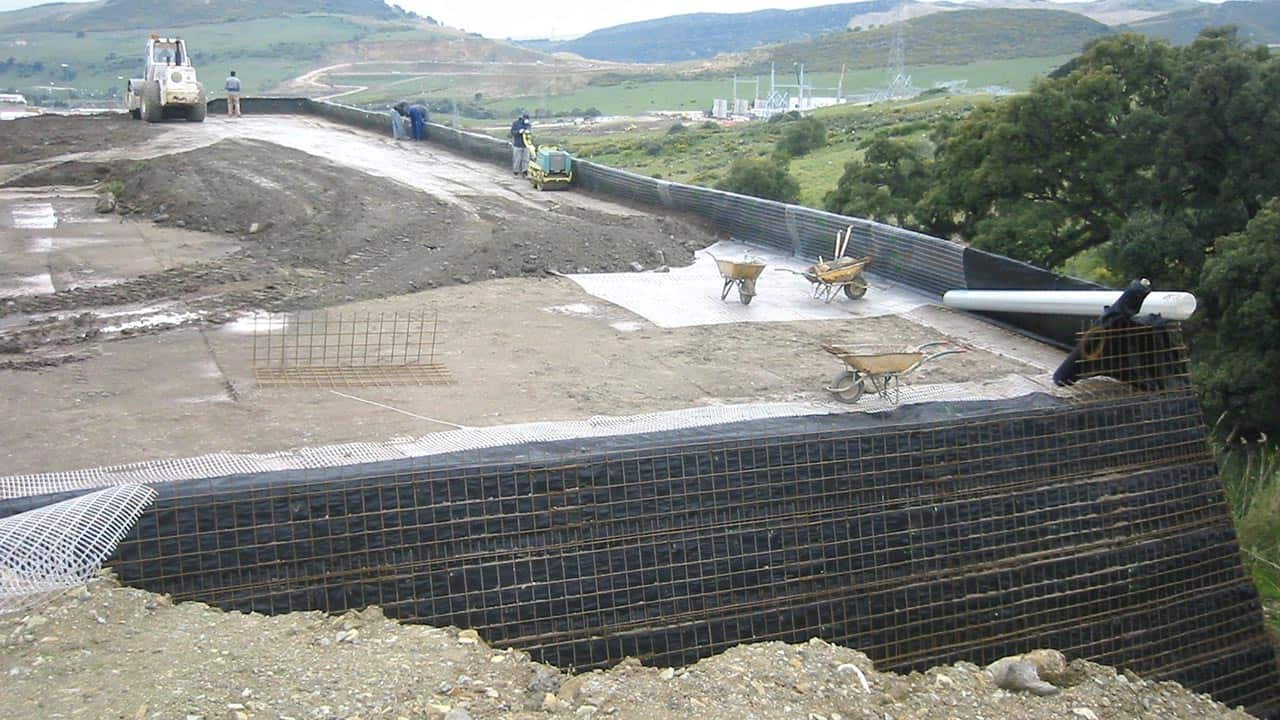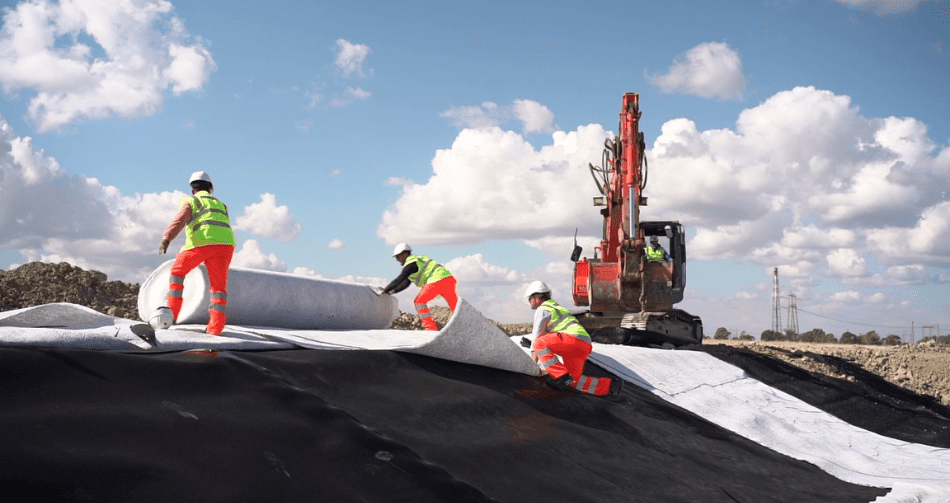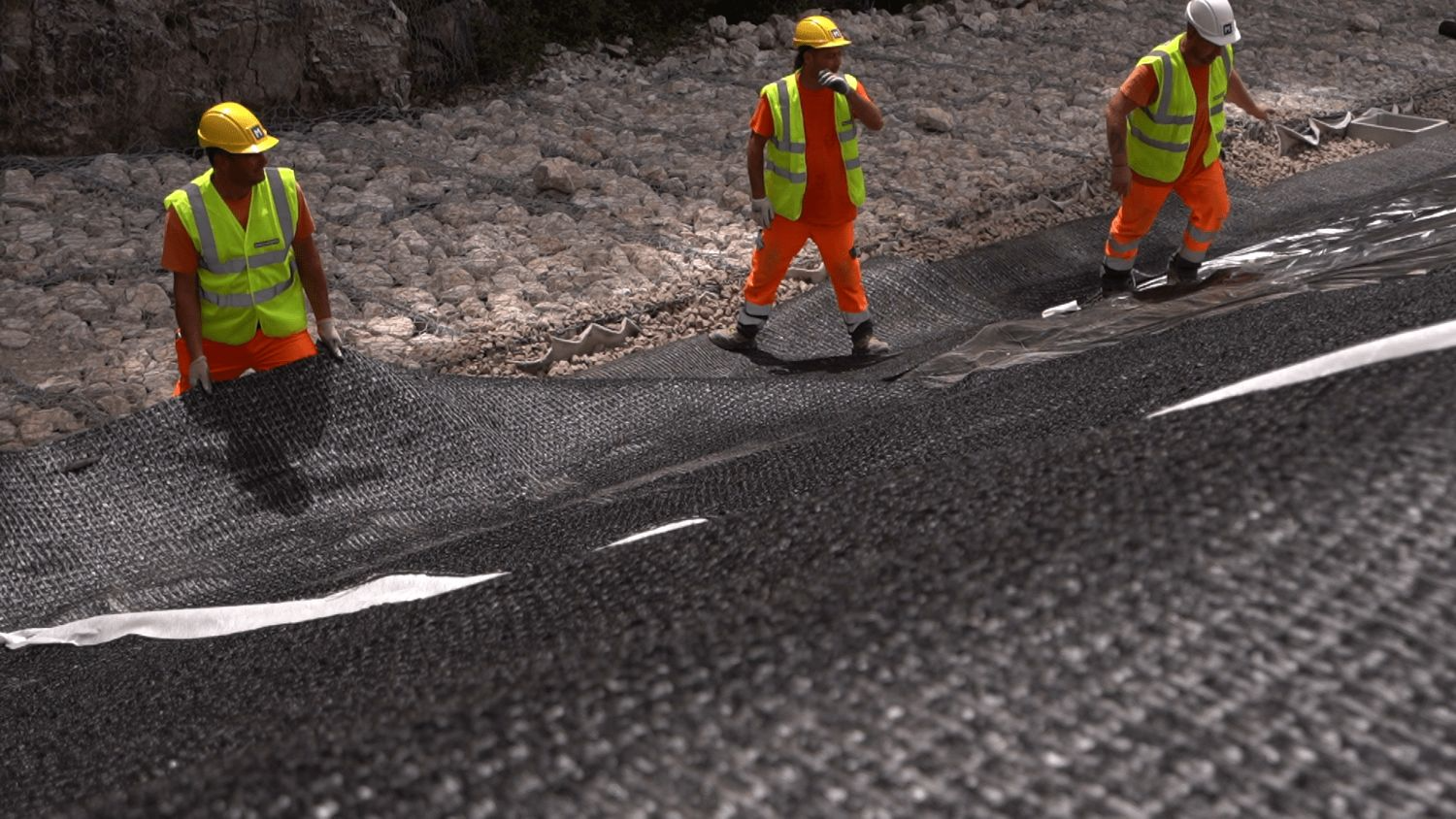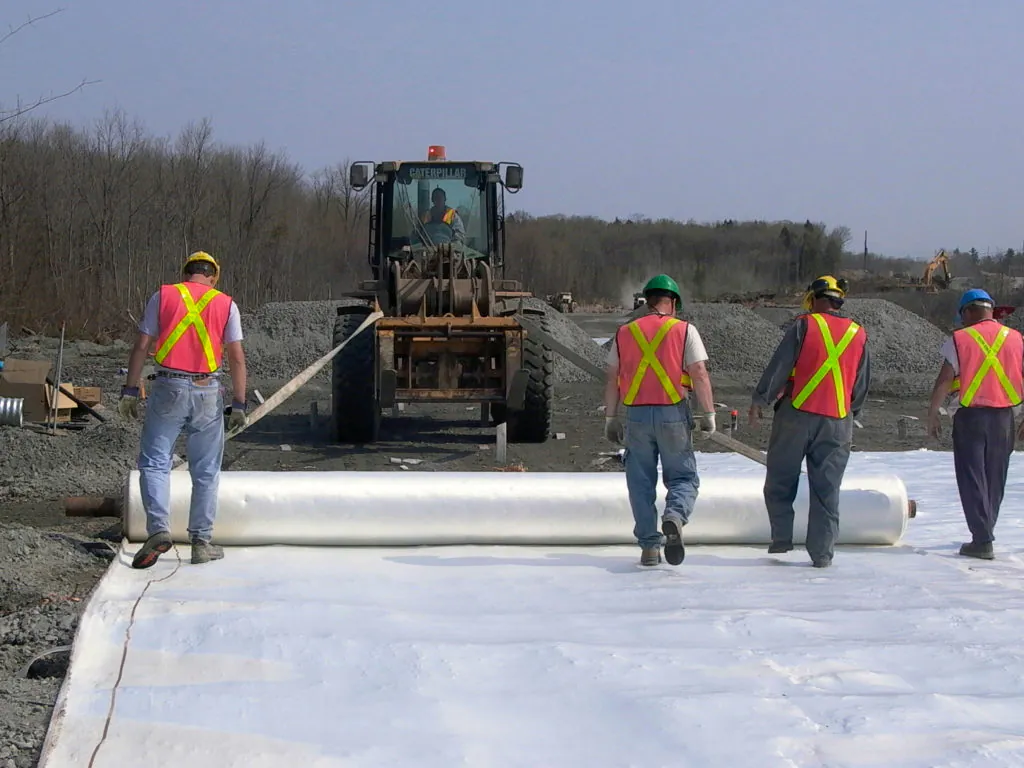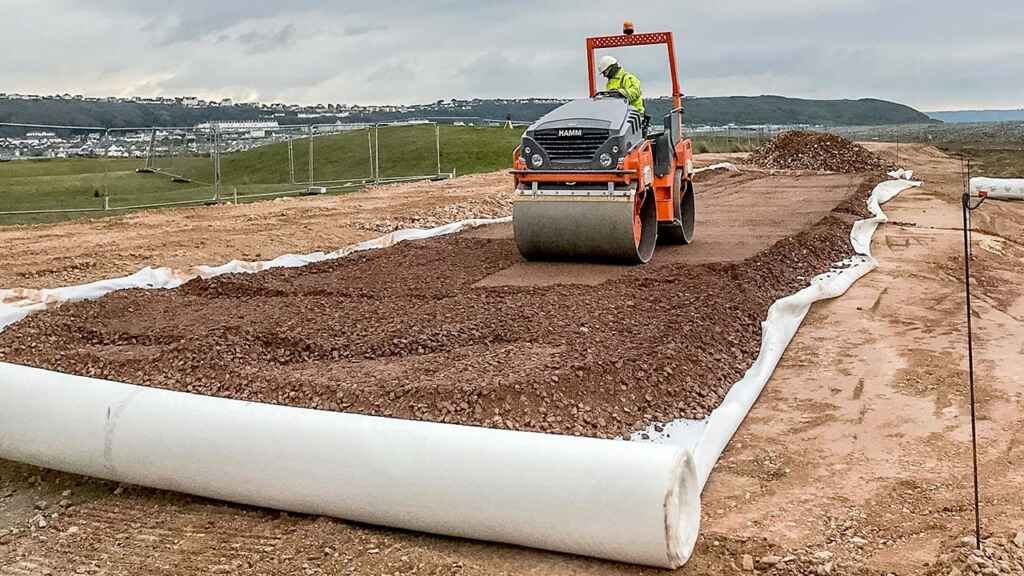
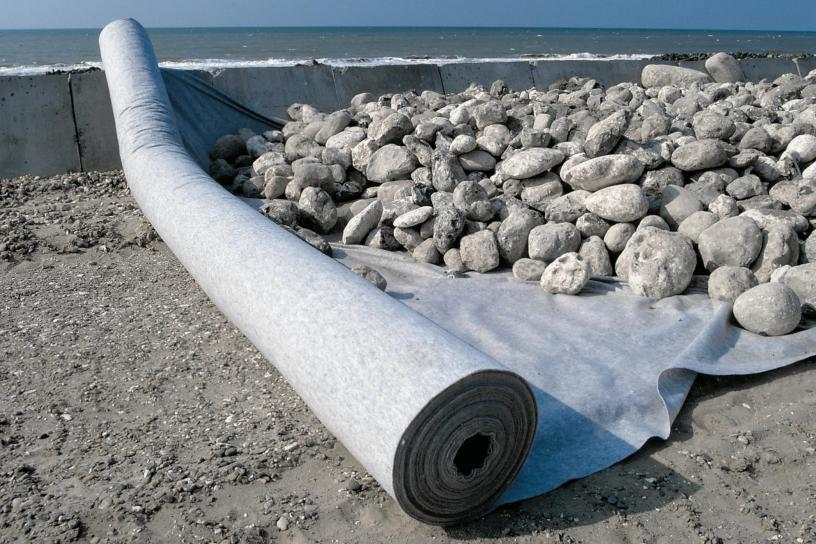
Following the design phase, the installation of geosynthetics is a crucial step that demands precision and expertise. TCPL employs a team of highly skilled technicians who are experienced in the proper handling and installation of geosynthetic materials. The installation process involves laying the geosynthetics on the prepared surface, ensuring that they are correctly aligned, tensioned, and anchored to prevent movement. Proper installation is essential for the geosynthetics to perform their intended functions, such as reinforcing soil, controlling erosion, or providing a waterproof barrier.
During installation, TCPL closely monitors the quality of the work to ensure that the materials are not damaged and that the installation adheres to the design specifications. The team checks for any potential issues, such as wrinkles, tears, or improper alignment, which could compromise the effectiveness of the geosynthetics. This attention to detail ensures that the system performs as designed and provides long-term benefits to the project.
Once the geosynthetics are installed, they are integrated into the overall construction process. For projects involving roadways, embankments, or retaining walls, geosynthetics are often combined with traditional construction materials like concrete and asphalt to create a reinforced and stable structure. In environmental applications, such as landfills or water reservoirs, geomembranes and geotextiles act as barriers to prevent contamination and promote safe water management. The versatility of geosynthetics allows them to be used in a wide range of applications, making them indispensable in modern engineering.