Water Resource & Sanitation Engineering

Water resource and sanitation engineering is a crucial field within civil engineering that focuses on the management, conservation, and distribution of water resources, as well as the design and implementation of sanitation systems to protect public health and the environment. With growing populations and the increasing pressures of climate change, the need for effective water management and sustainable sanitation solutions has become more important than ever. This discipline plays a vital role in ensuring that communities have access to clean water, that waste is properly treated and disposed of, and that natural water systems are preserved for future generations. At the heart of water resource engineering is the management of freshwater systems, including rivers, lakes, groundwater, and reservoirs. Engineers in this field work to ensure the reliable supply of water for drinking, agriculture, industry, and recreation.

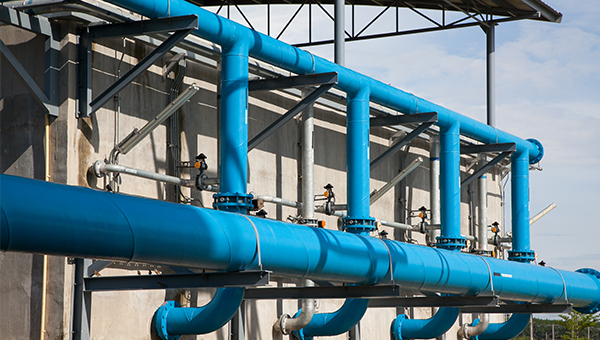
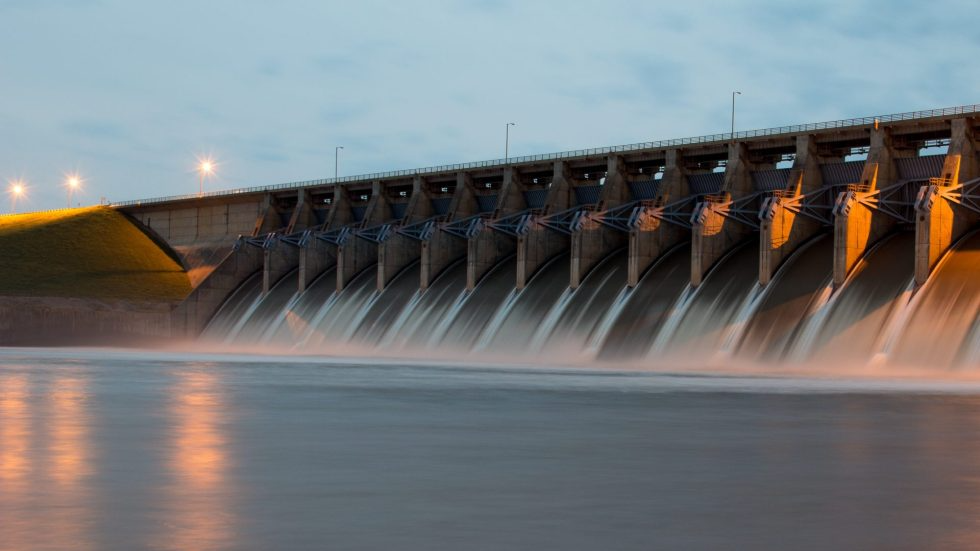
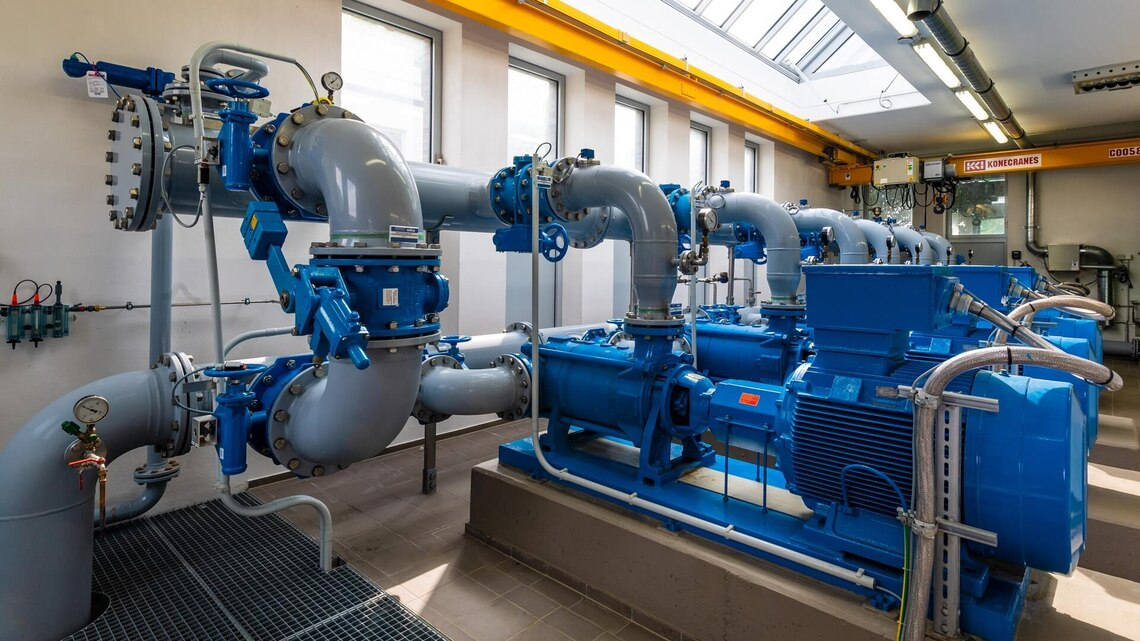
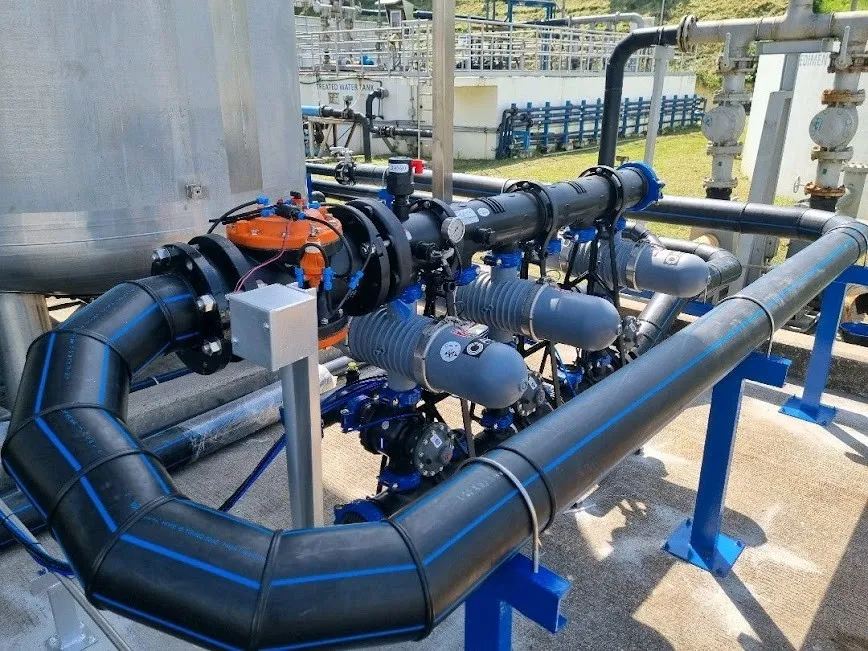
This involves designing infrastructure such as dams, reservoirs, and canals to store and transport water efficiently. Engineers must also consider the hydrological cycle—how water moves through the environment—and how human activities, such as urbanization and agriculture, impact water quality and availability. By developing comprehensive water management plans, engineers help balance the competing demands of different users while protecting natural ecosystems. One of the primary challenges in water resource engineering is ensuring that water supplies are not only adequate but also safe for consumption. Water quality is influenced by various factors, including industrial pollution, agricultural runoff, and wastewater discharge. Engineers must design water treatment facilities that remove contaminants and pathogens from water sources to ensure that they meet health and safety standards. This process often involves several stages of filtration, disinfection, and chemical treatment to purify water before it reaches consumers.

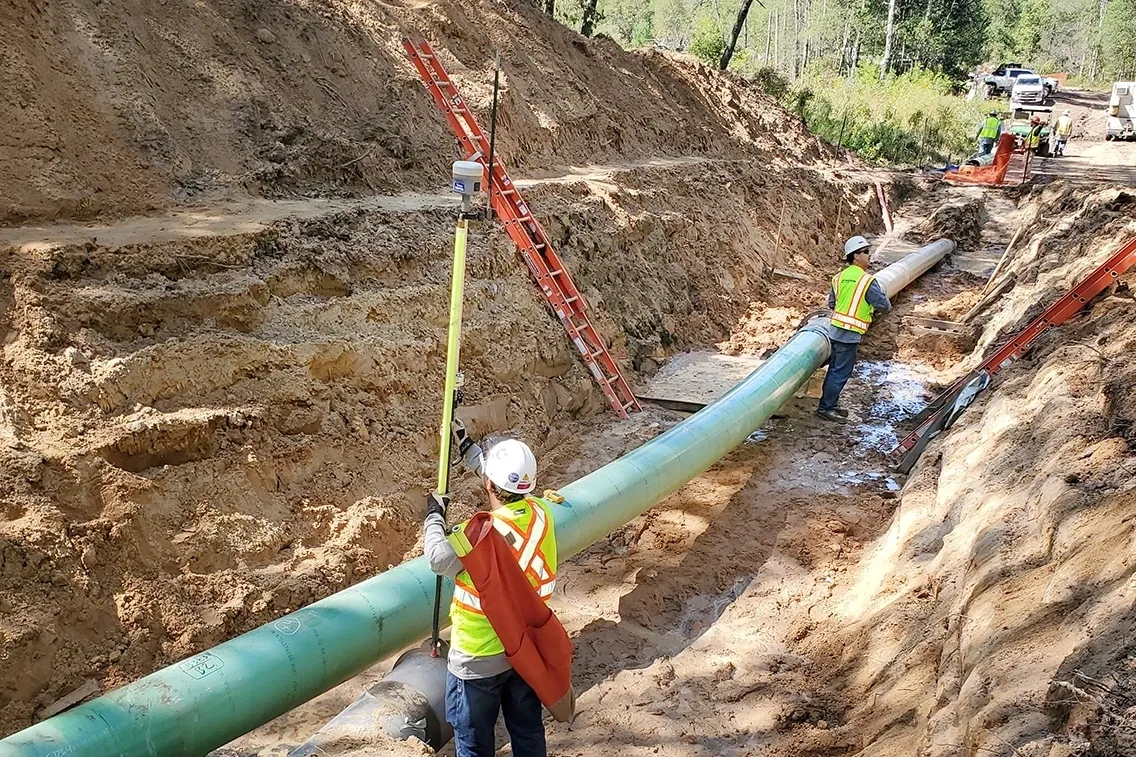
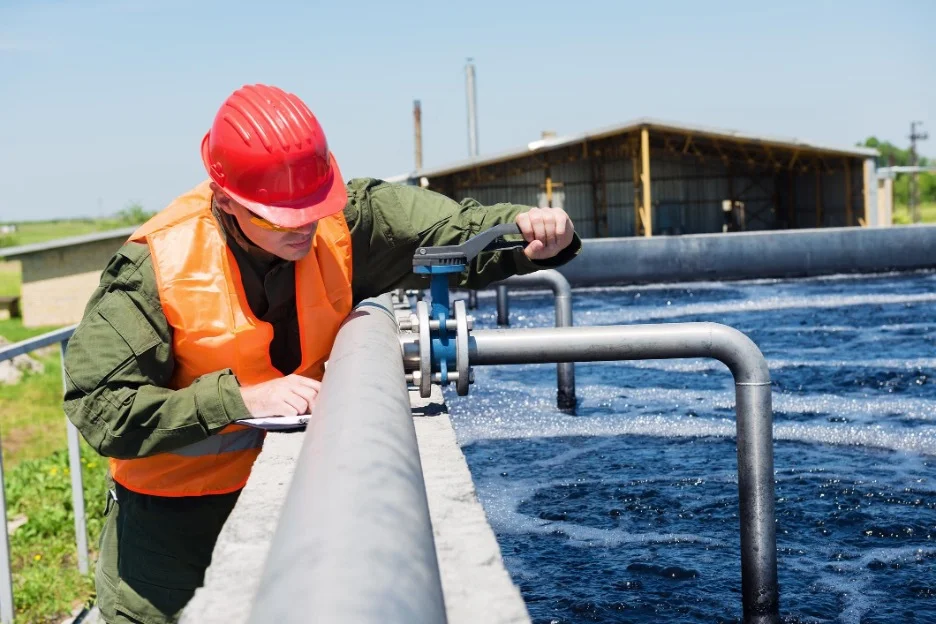
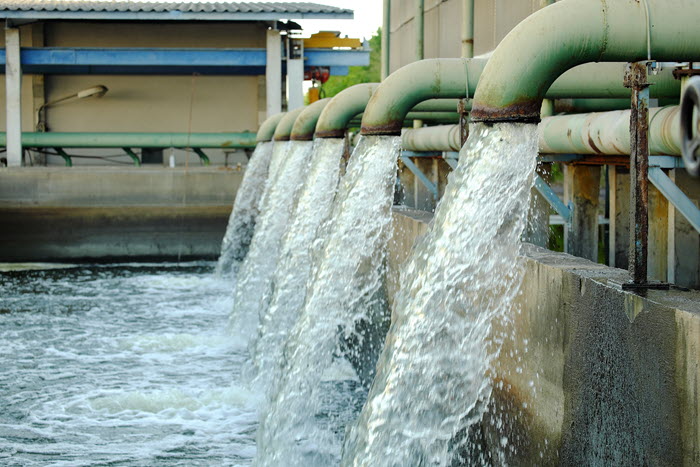
In addition to designing new treatment systems, engineers must also maintain and upgrade existing infrastructure to meet evolving water quality standards and the needs of growing populations. Sanitation engineering is closely related to water resource management, as it deals with the safe disposal of human waste, industrial effluents, and stormwater runoff. The design of effective sanitation systems is critical for preventing the spread of diseases and protecting water bodies from pollution. Engineers in this field work on a variety of systems, from small-scale household sanitation facilities to large-scale sewage treatment plants. Wastewater treatment plants, for instance, use physical, chemical, and biological processes to remove contaminants from sewage before it is discharged back into the environment. Engineers must ensure that these facilities are designed to handle the volume of waste generated by the community while minimizing the release of harmful substances.

In many parts of the world, especially in developing countries, access to basic sanitation facilities remains a significant challenge. Poor sanitation can lead to the contamination of drinking water sources, which in turn can cause widespread public health crises, such as outbreaks of waterborne diseases like cholera and dysentery. Engineers play a vital role in addressing these issues by designing affordable, sustainable sanitation solutions for both urban and rural areas. This often involves working with local communities to develop systems that are culturally appropriate, cost-effective, and easy to maintain.
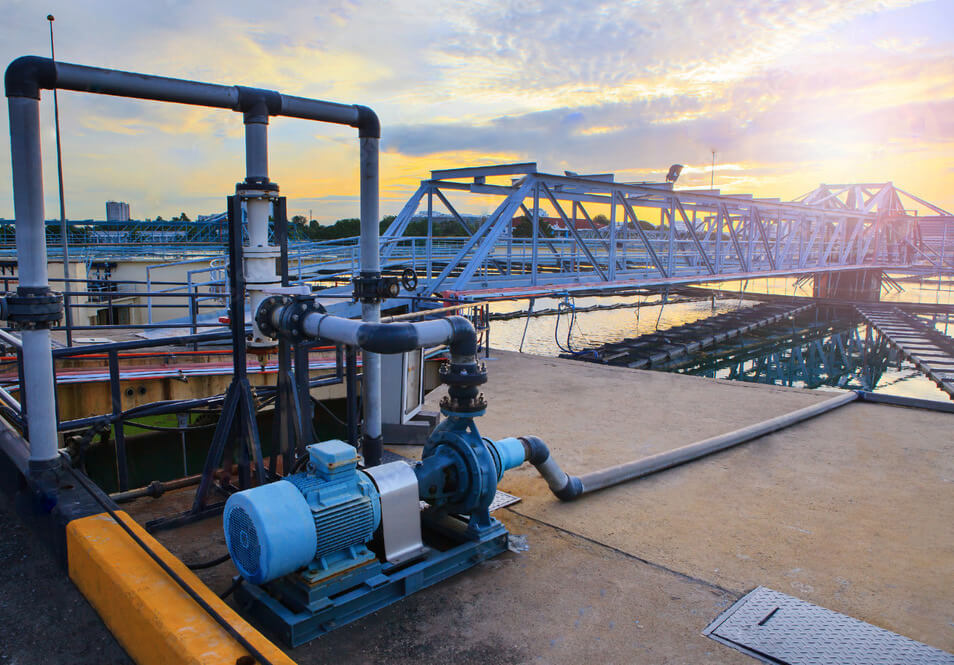
Climate change poses additional challenges for water resource and sanitation engineering. Changes in precipitation patterns, rising sea levels, and increasing instances of drought and flooding can all affect the availability and quality of water resources. Engineers must develop resilient infrastructure that can adapt to these changing conditions, ensuring that water and sanitation systems remain reliable even in the face of extreme weather events. This might include designing flood control systems, improving water conservation techniques, and implementing strategies to recharge groundwater supplies. In conclusion, water resource and sanitation engineering is a field that directly impacts public health, environmental sustainability, and economic development. By managing water resources efficiently and developing effective sanitation systems, engineers ensure that communities have access to clean water and that waste is properly treated, helping to create healthier, more sustainable living conditions for people around the world.

background

How We Work!!

Building your thoughts into reality

Evaluation And Signing Of The Contract.

Step 01

Preparation Of The Work Plan.

Step 02

Implementation Of Quality Works

Step 03

Delivering The Project To The Customer

Step 04