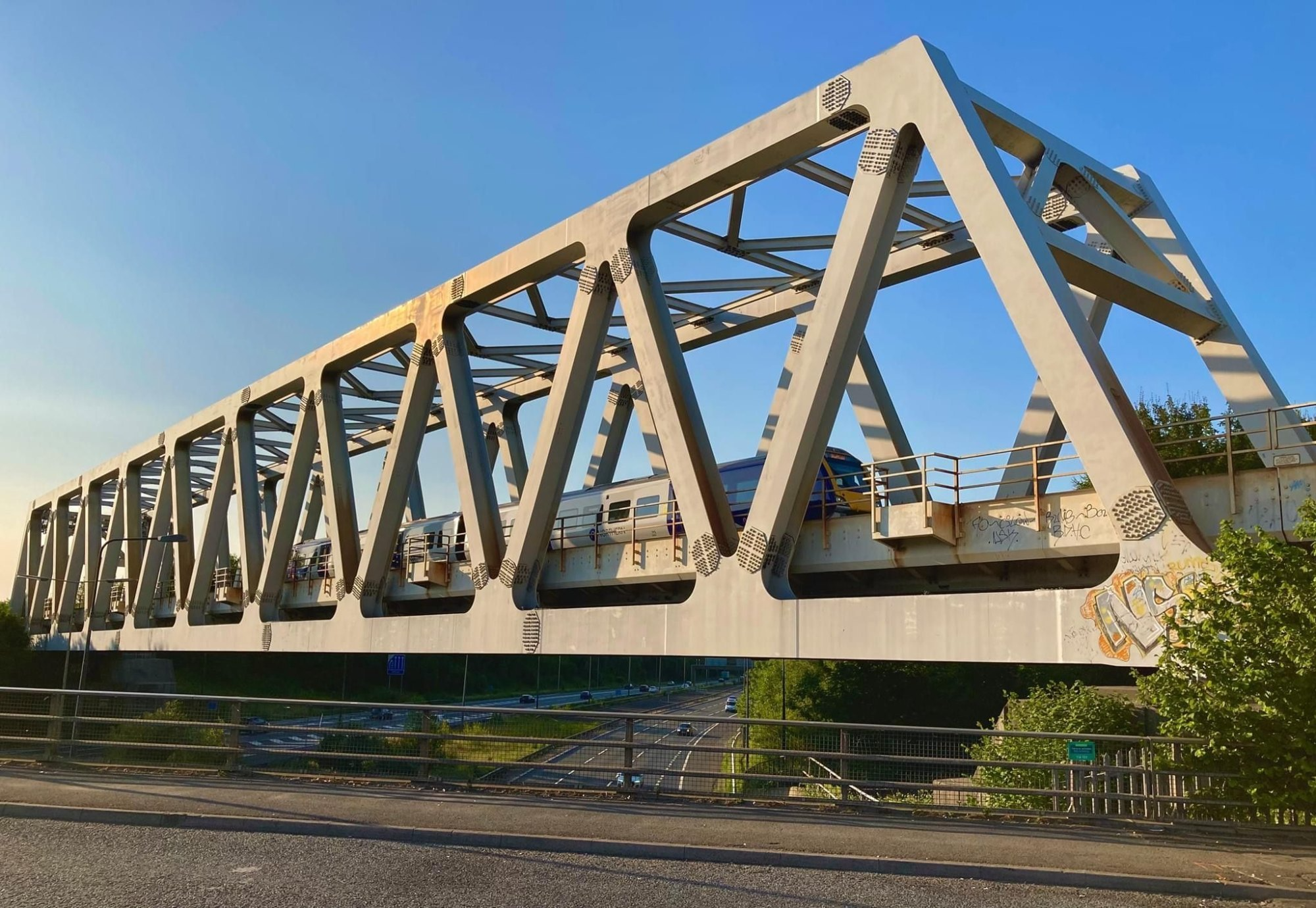
Structural & Bridge Design

Structural and bridge design is a critical aspect of civil engineering that focuses on creating safe, efficient, and sustainable structures to meet the growing demands of modern infrastructure. This discipline involves a detailed understanding of various engineering principles, materials, construction techniques, and environmental factors that influence the stability and durability of structures. The design process is both complex and multifaceted, requiring careful analysis, creative problem-solving, and a keen awareness of potential challenges, such as load-bearing capacities, environmental stresses, and long-term sustainability. In structural design, engineers work to ensure that buildings, bridges, and other structures can withstand a range of forces, including those caused by gravity, wind, seismic activity, and human usage. The goal is to create structures that not only stand the test of time but also prioritize the safety and comfort of the people using them.

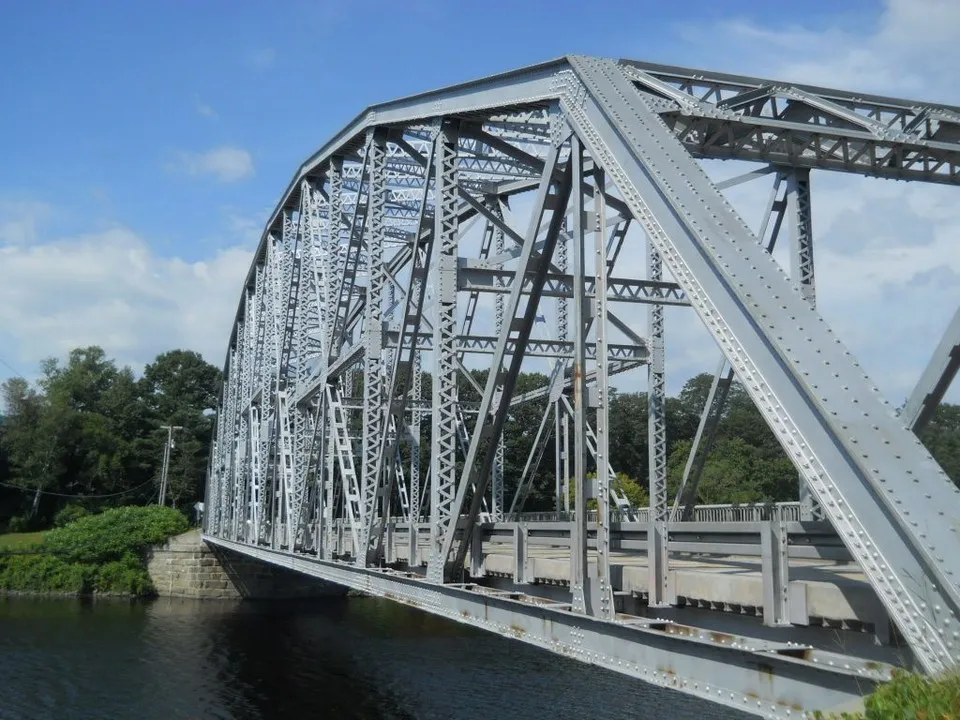
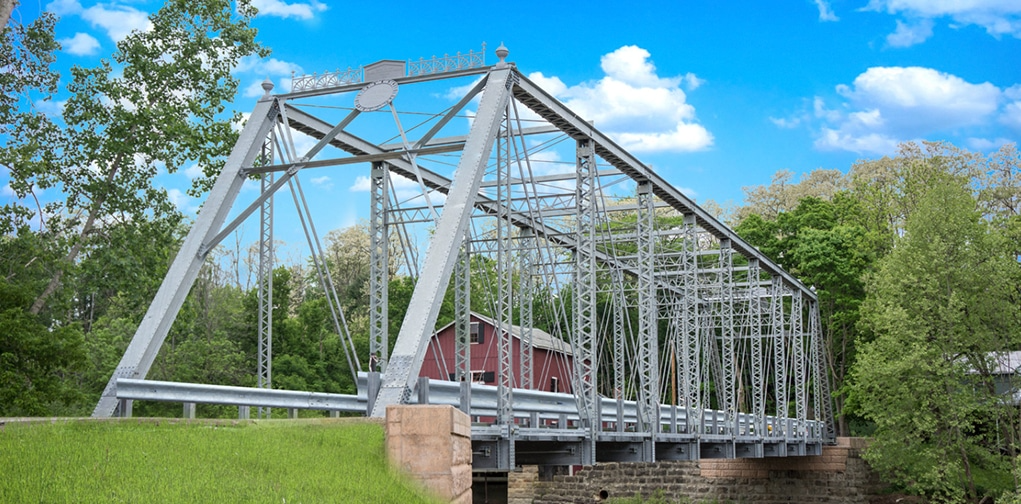
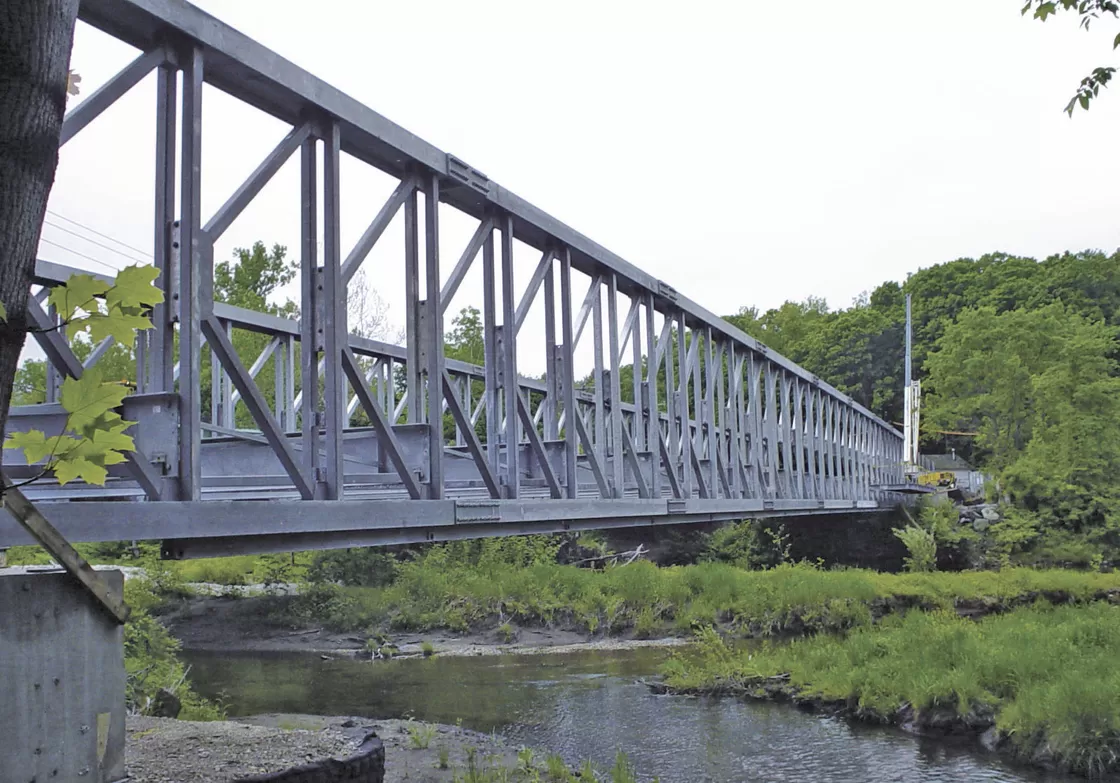
This involves selecting appropriate materials, such as steel, concrete, and composites, each with its own unique properties that contribute to the structure’s overall strength and flexibility. Structural engineers must analyze load distribution, determine the best structural systems (like trusses, beams, columns, and frames), and ensure the proper integration of these components into the overall design. In bridge design, the stakes are particularly high, as these structures often span vast distances and carry heavy loads, including vehicles, pedestrians, and, in some cases, trains. Bridges are subjected to unique forces due to their exposure to environmental elements like wind, water, and temperature fluctuations. As such, they require specialized designs that balance aesthetics with functionality and longevity. Different types of bridges—such as suspension bridges, beam bridges, arch bridges, and cable-stayed bridges—demand distinct design considerations.

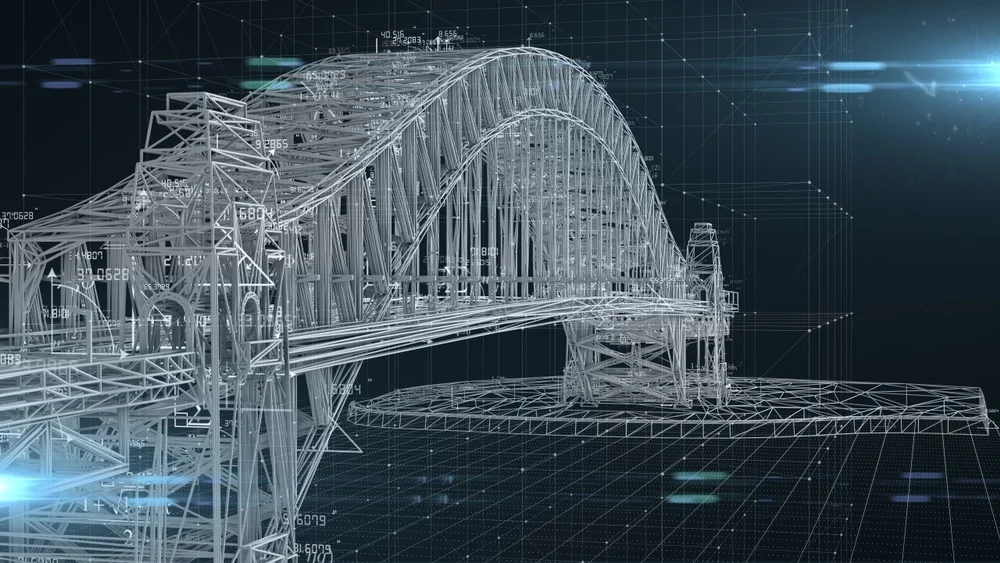
For example, suspension bridges, which are ideal for long spans, rely on the tension of cables to support the bridge deck, while arch bridges use the natural strength of an arch to distribute loads evenly across the structure. In both structural and bridge design, engineers use advanced tools and software to simulate real-world conditions and predict how a structure will behave under various stresses. Finite element analysis (FEA) is a common technique used to model and analyze complex structural systems, allowing engineers to test different design scenarios and optimize for performance and safety. Additionally, building information modeling (BIM) has become increasingly integral to modern design practices, offering a collaborative platform where architects, engineers, and construction professionals can work together seamlessly throughout the design and construction phases.

Sustainability has also become a central concern in modern structural and bridge design. Engineers now place greater emphasis on using eco-friendly materials, reducing energy consumption, and minimizing the environmental impact of construction projects. This can involve designing structures that incorporate renewable energy sources, improve water conservation, or utilize recycled materials. Furthermore, resilience against natural disasters, such as earthquakes and hurricanes, is prioritized, ensuring that structures can withstand extreme events while protecting lives and minimizing economic losses.
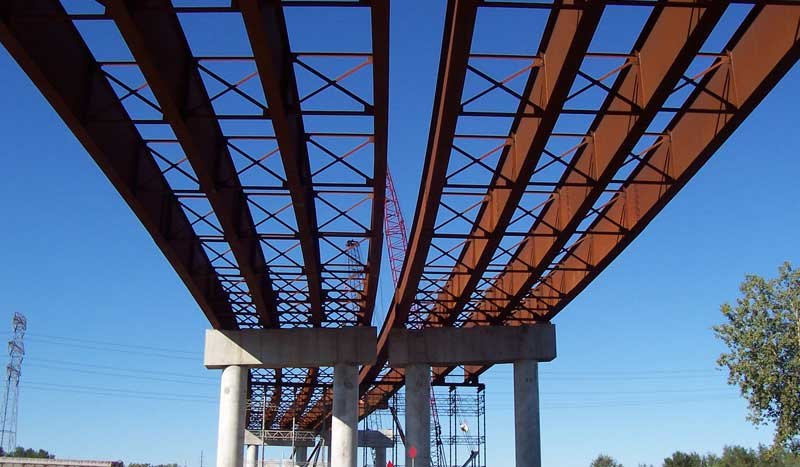
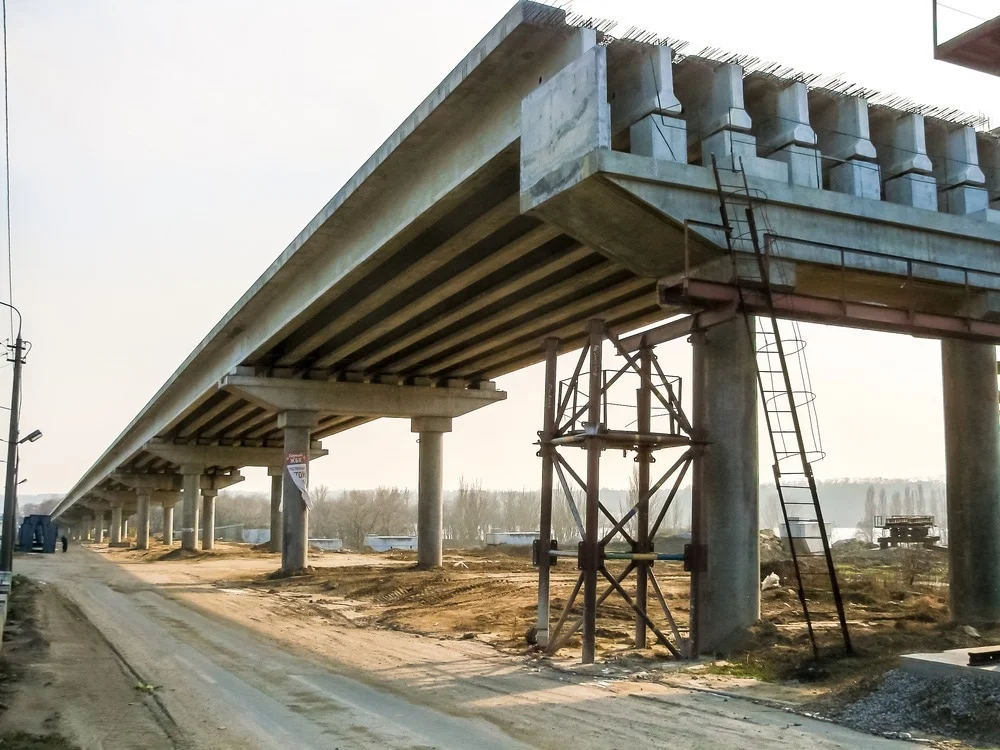
Overall, structural and bridge design requires a combination of technical expertise, innovation, and foresight. Engineers must balance practicality with aesthetics, safety with cost-efficiency, and environmental considerations with engineering demands. As infrastructure needs continue to grow globally, the role of structural and bridge design becomes even more critical, pushing the boundaries of what is possible and driving advancements that will shape the future of our built environment.

background

How We Work!!

Building your thoughts into reality

Evaluation And Signing Of The Contract.

Step 01

Preparation Of The Work Plan.

Step 02

Implementation Of Quality Works

Step 03

Delivering The Project To The Customer

Step 04