Civil Engineering Laboratory Testing

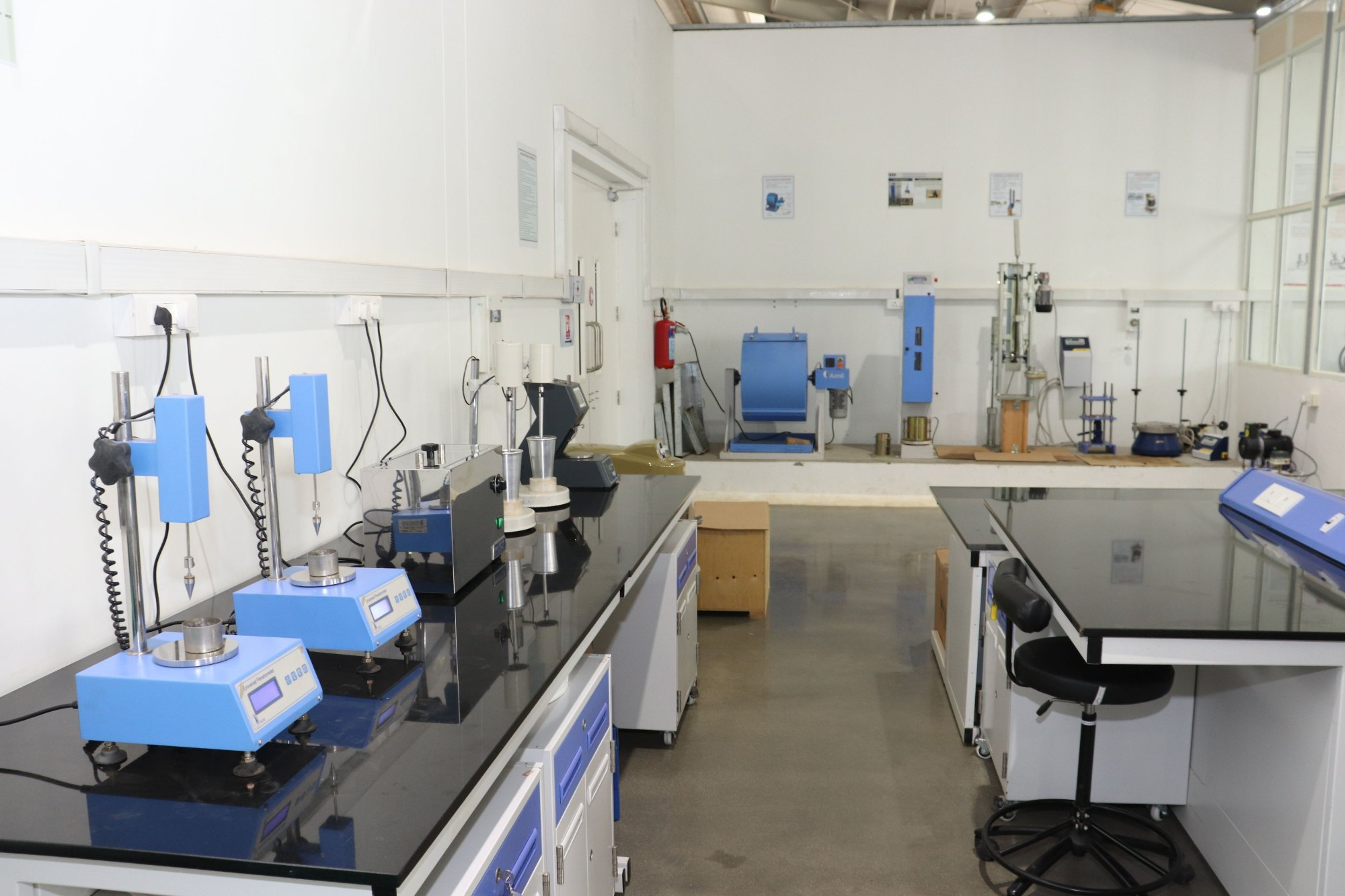
Civil engineering laboratory testing plays a crucial role in the construction and infrastructure industries by ensuring that materials used in various projects meet necessary safety, quality, and regulatory standards. It involves the evaluation of construction materials such as soil, concrete, asphalt, aggregates, and steel to determine their suitability for use in building projects. The results of these tests provide engineers with the essential data needed to design structures that are safe, durable, and capable of withstanding environmental forces and load-bearing requirements. Without proper testing, construction projects could face significant risks, including structural failure, safety hazards, and costly repairs. Soil testing is one of the primary areas of focus in civil engineering laboratory testing. As the foundation for most construction projects, soil must be evaluated to understand its physical and chemical properties, which directly affect the stability of any structure built on it.

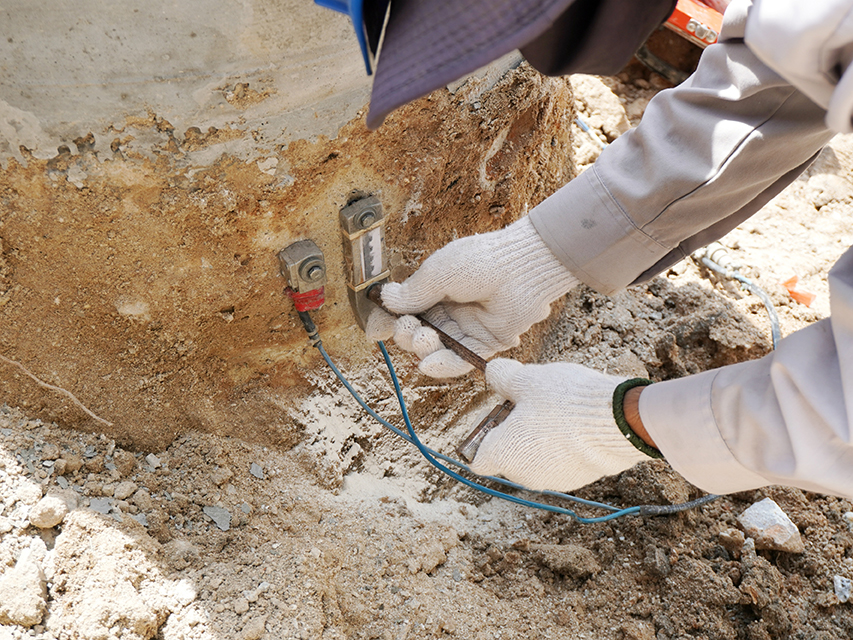
Key characteristics such as soil bearing capacity, moisture content, compaction levels, and shear strength are examined to ensure the soil can support the weight of buildings, bridges, or roads. If the soil has low bearing capacity or poor stability, engineers may need to reinforce the foundation or choose alternative construction methods. Soil testing is especially critical in large-scale projects where the failure of the foundation could lead to catastrophic consequences. Another significant aspect of civil engineering testing is concrete testing. Concrete is a widely used material in construction, prized for its strength and versatility. However, its quality must be carefully controlled to ensure that it performs as expected under load. Freshly mixed concrete is tested for workability, consistency, and air content to ensure it can be properly placed and compacted. Once hardened, concrete undergoes compressive strength testing to evaluate its ability to resist loads without breaking.

This is perhaps the most important test, as the structural integrity of buildings, bridges, and other infrastructure depends on concrete's ability to bear loads. Engineers also test concrete’s durability, ensuring it can withstand environmental conditions such as freezing, thawing, and chemical exposure.

Aggregate testing is essential because aggregates form the bulk of concrete. The size, shape, and texture of aggregates affect the strength, durability, and workability of concrete. Tests are conducted to assess the gradation, abrasion resistance, and specific gravity of aggregates, ensuring they meet the standards required for different types of concrete mixes. Poor-quality aggregates can lead to reduced concrete strength or premature deterioration of the structure.

Asphalt testing is equally important, particularly in road construction projects. Asphalt pavements must withstand the wear and tear of heavy traffic and varying weather conditions. Laboratory tests evaluate the strength, flexibility, and durability of asphalt mixes. Engineers test for the proper binder content and stability of the asphalt to ensure the roads remain functional and safe under traffic loads.


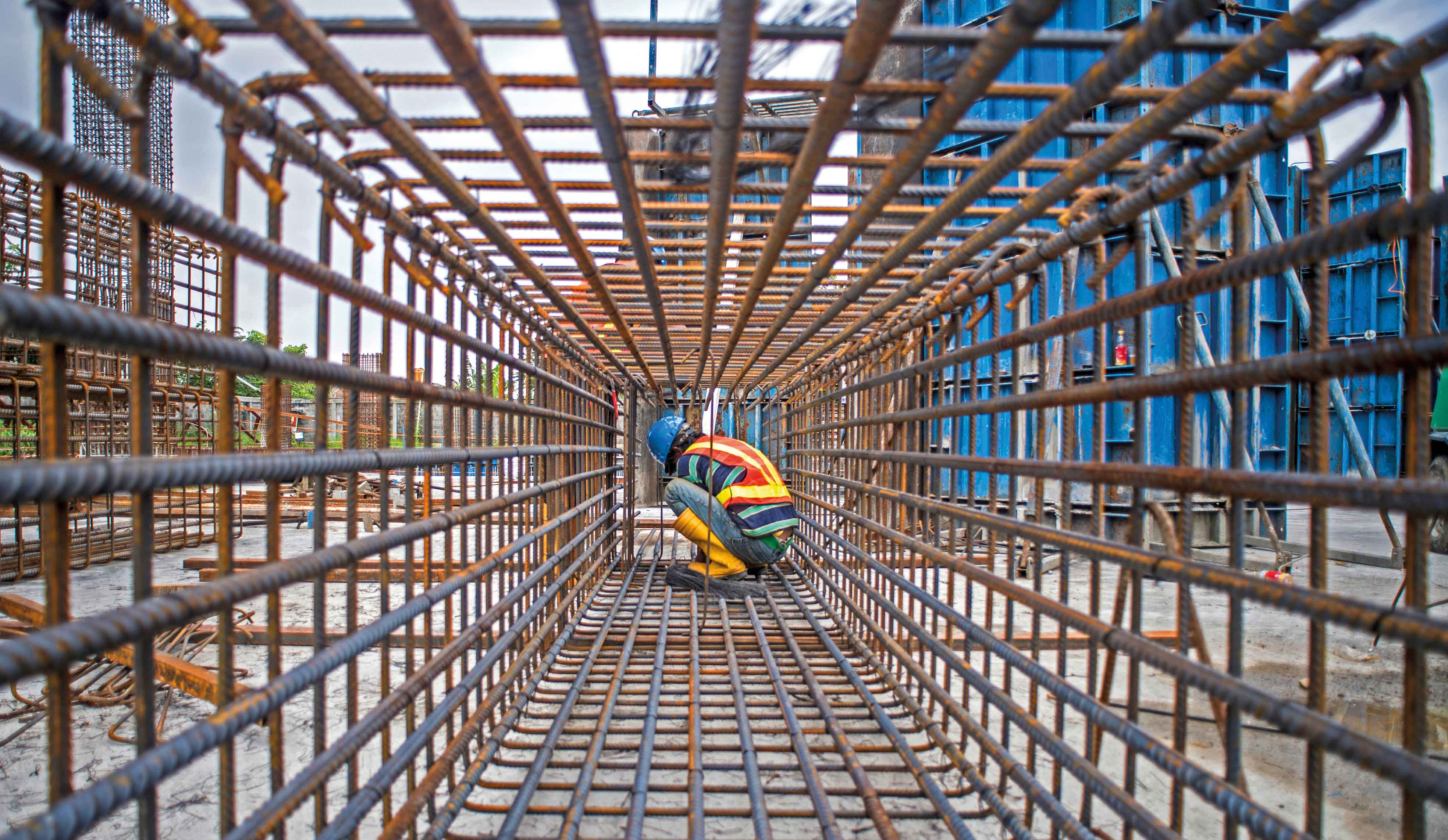
Steel testing is crucial in projects that use reinforced concrete or steel structures. Steel is known for its high tensile strength, and laboratory tests are conducted to ensure that it meets the required mechanical properties. Tensile strength testing measures how much force the steel can withstand before breaking, while yield strength testing determines when the steel begins to deform permanently. This data helps engineers ensure that steel elements will perform as required in the construction of buildings, bridges, and other critical infrastructure.

In summary, civil engineering laboratory testing is vital for ensuring the quality and safety of construction materials and, by extension, the structures built with them. Through rigorous testing of soil, concrete, asphalt, aggregates, and steel, engineers can create designs that meet both regulatory standards and environmental demands, ensuring the long-term success and safety of infrastructure projects.

background

How We Work!!

Building your thoughts into reality

Evaluation And Signing Of The Contract.

Step 01

Preparation Of The Work Plan.

Step 02

Implementation Of Quality Works

Step 03

Delivering The Project To The Customer

Step 04